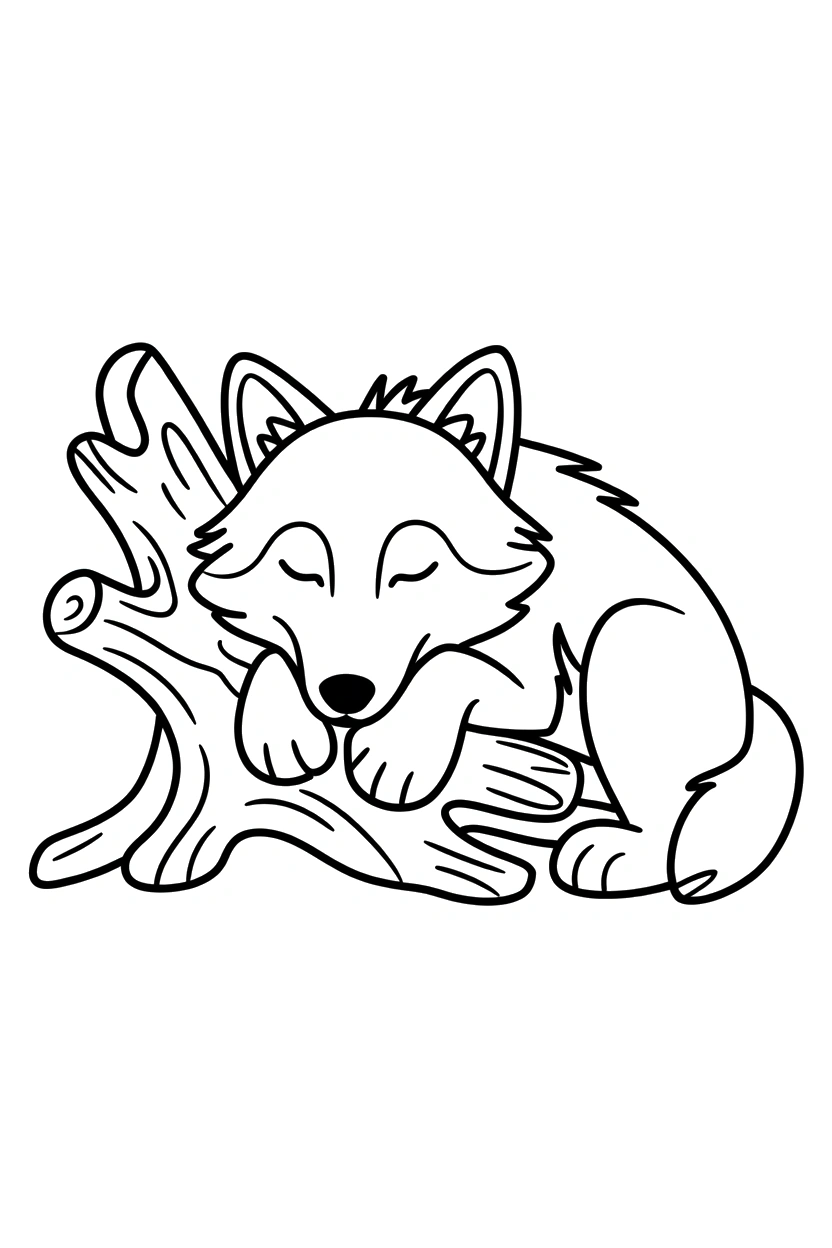
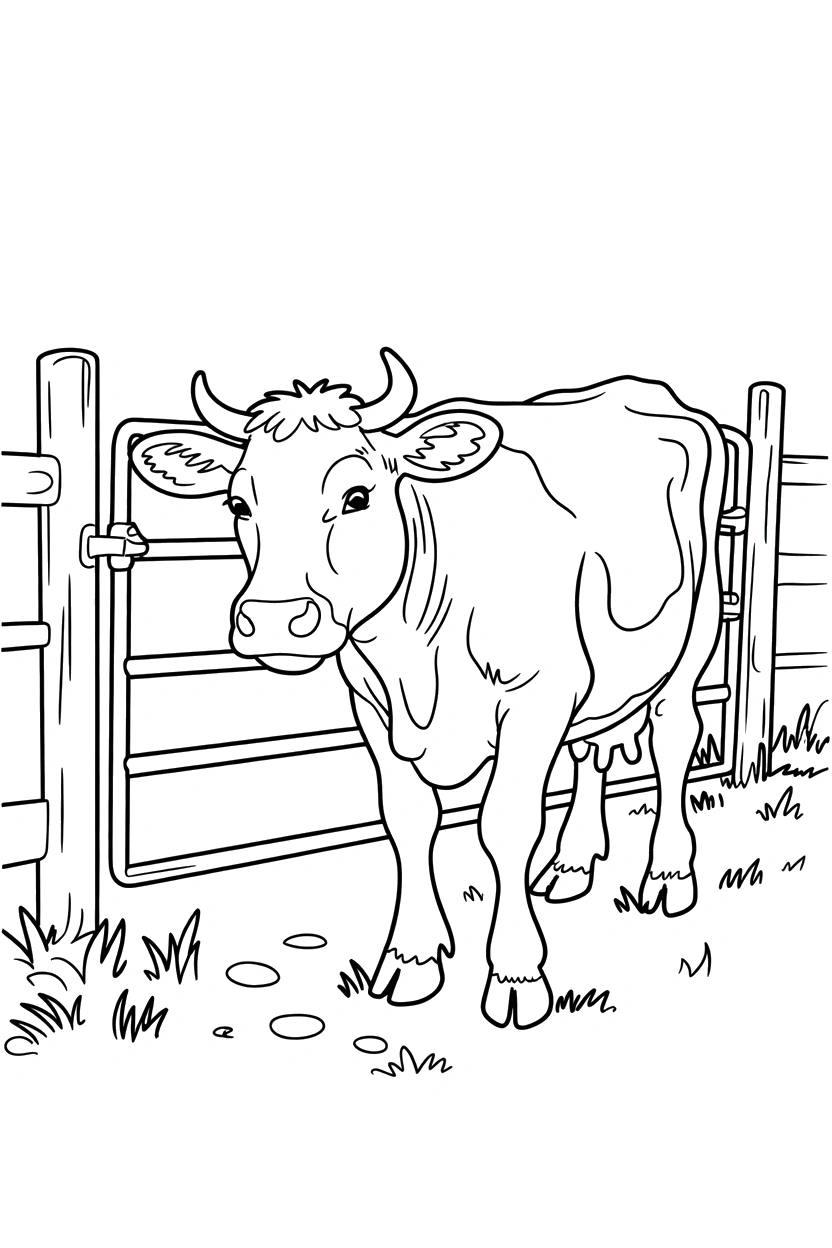
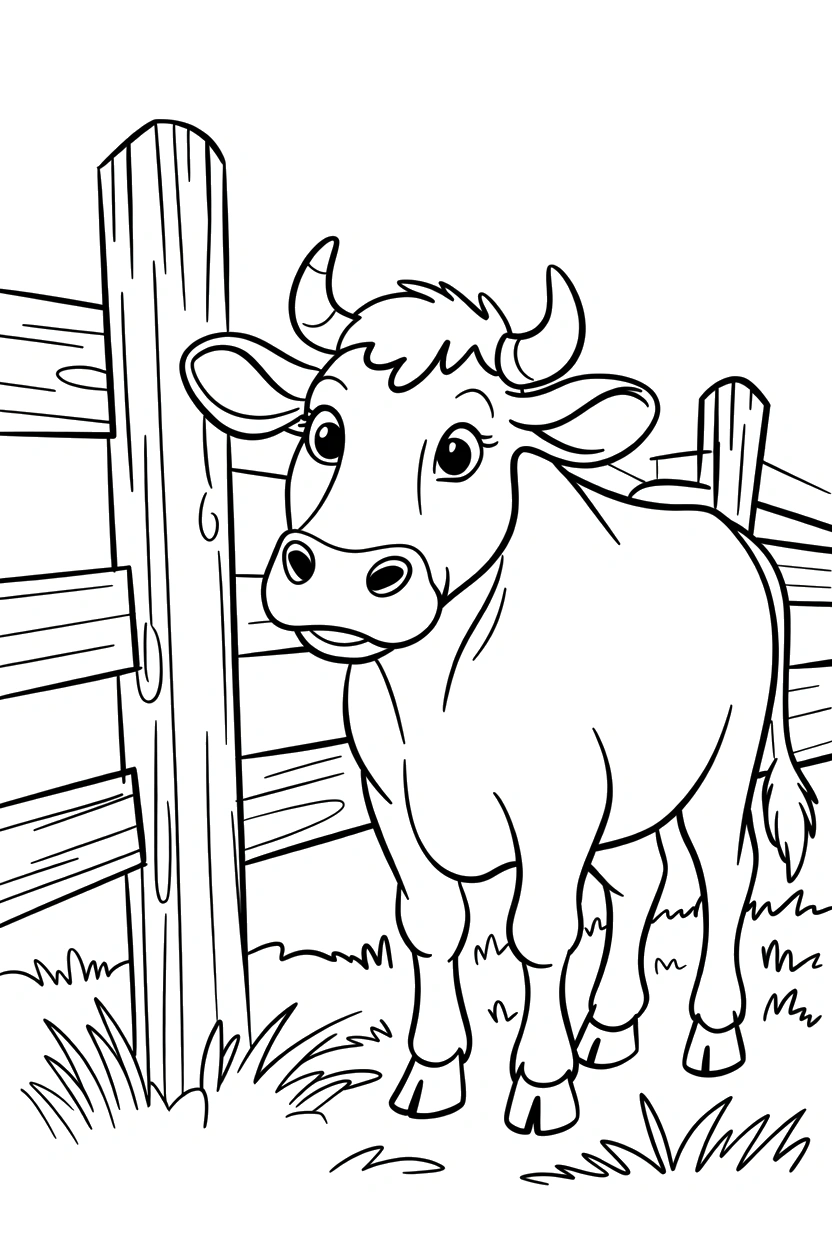
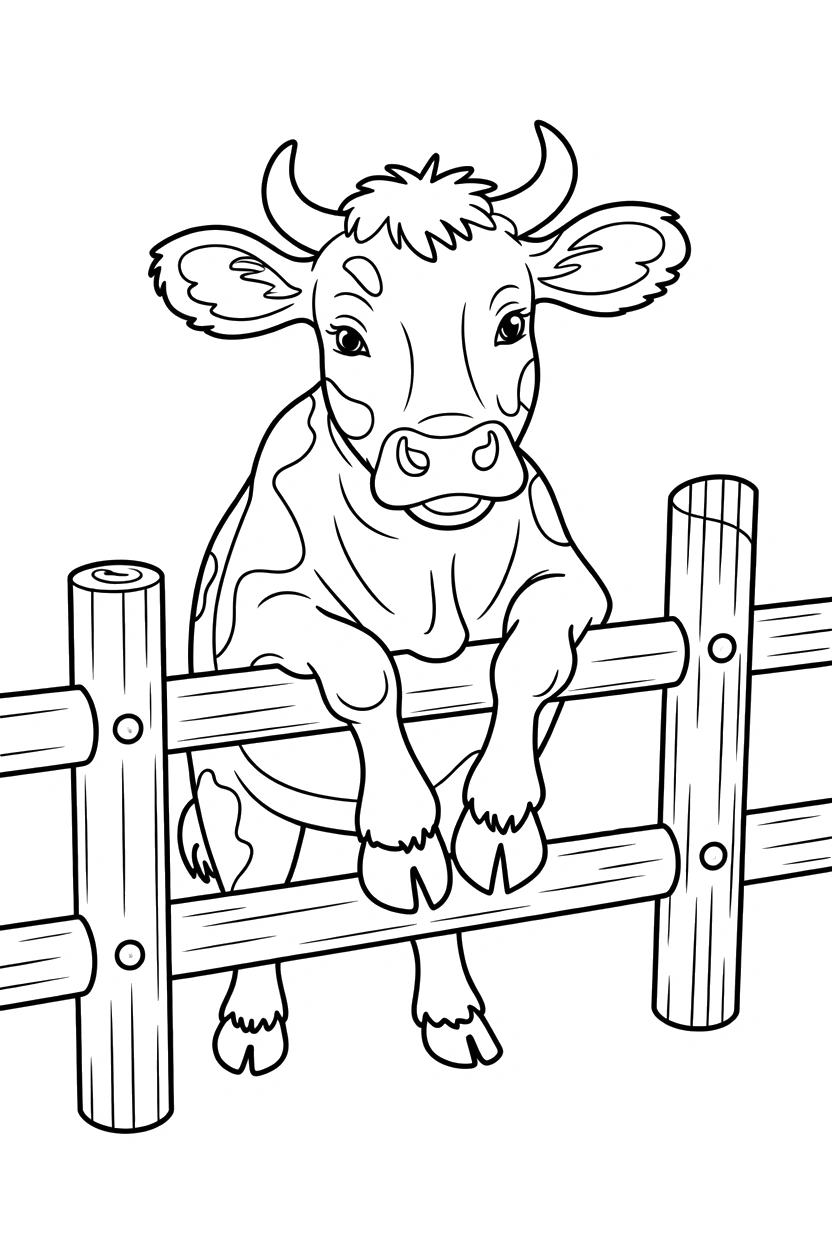
A cow leans over a wooden fence rail in Cow Coloring Pages. The outline shows ears flopped sideways, a wide nose, and legs planted firmly on grass patches. Some sheets catch a rainy afternoon indoors.
Others work during quiet morning hours before breakfast. Each black-and-white outline waits with clean edges—no shading, no texture, just borders ready for markers or crayons.
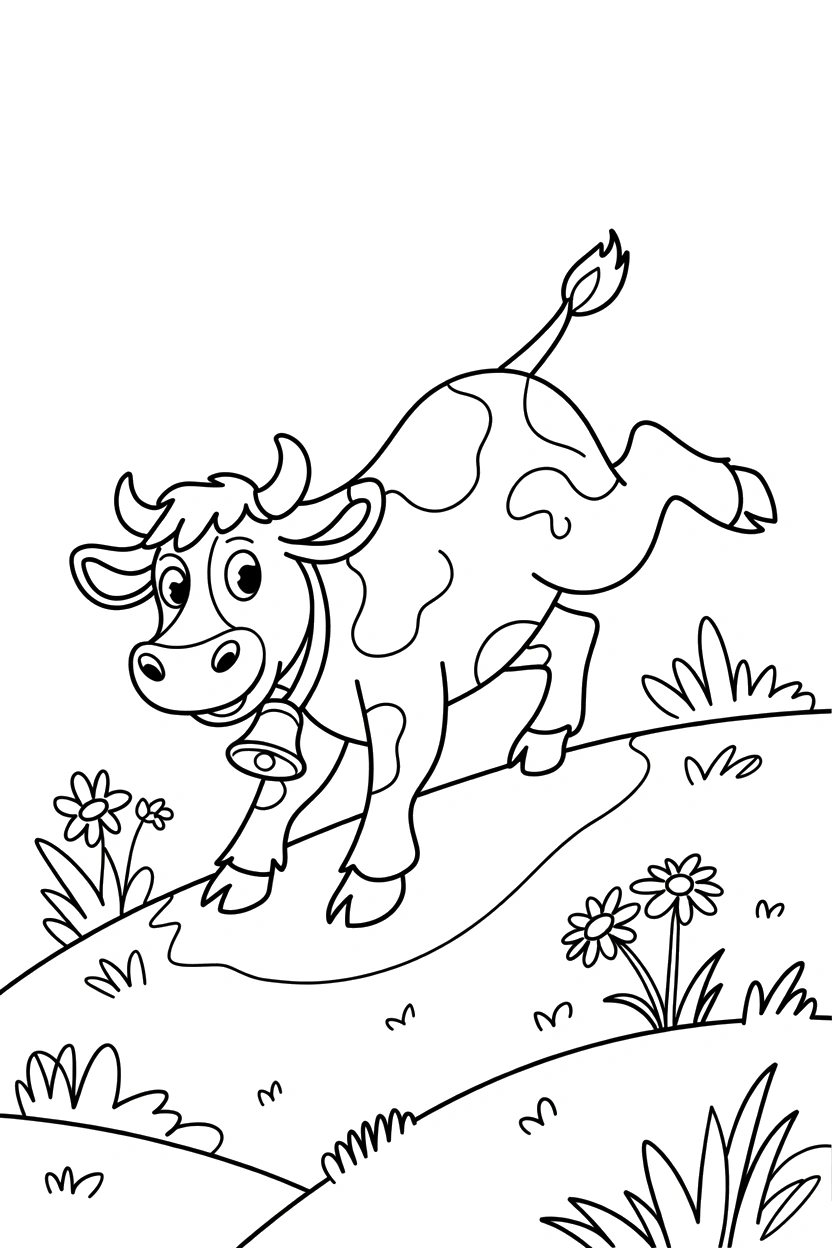
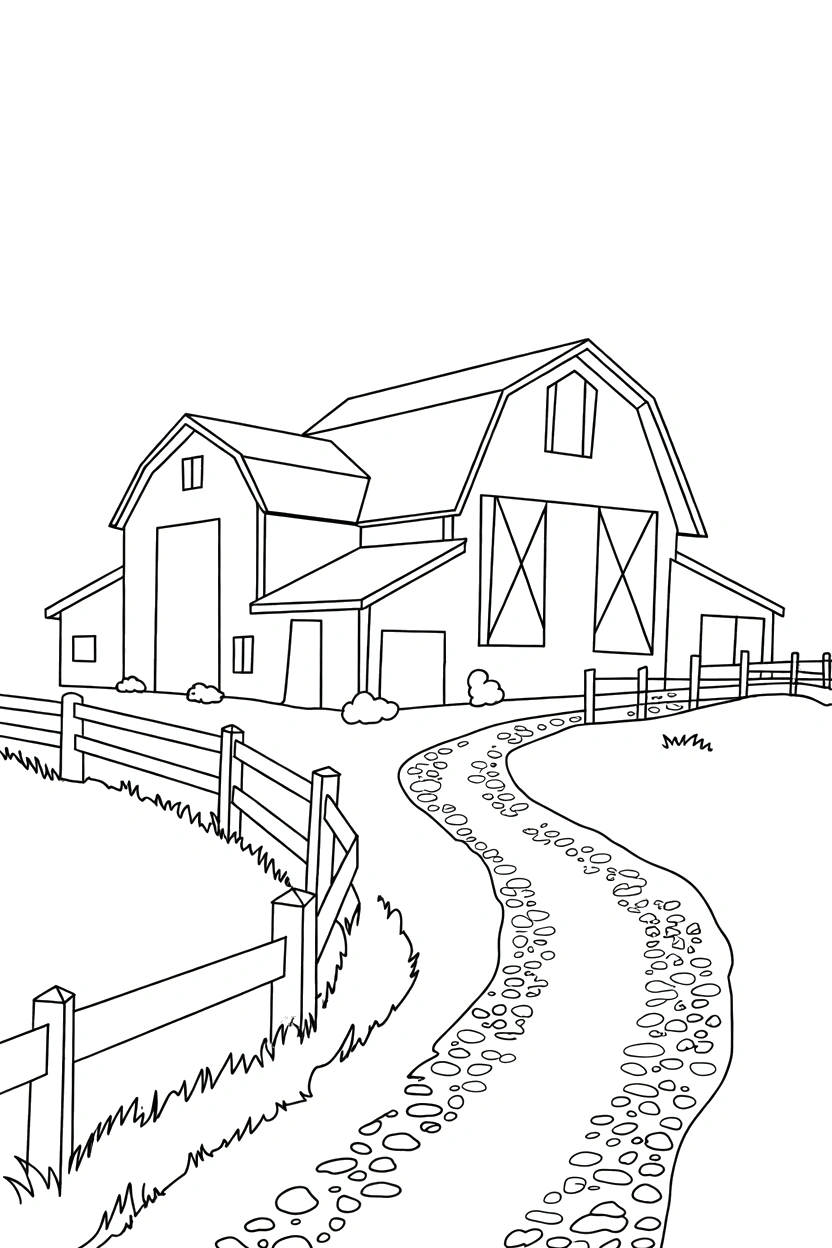
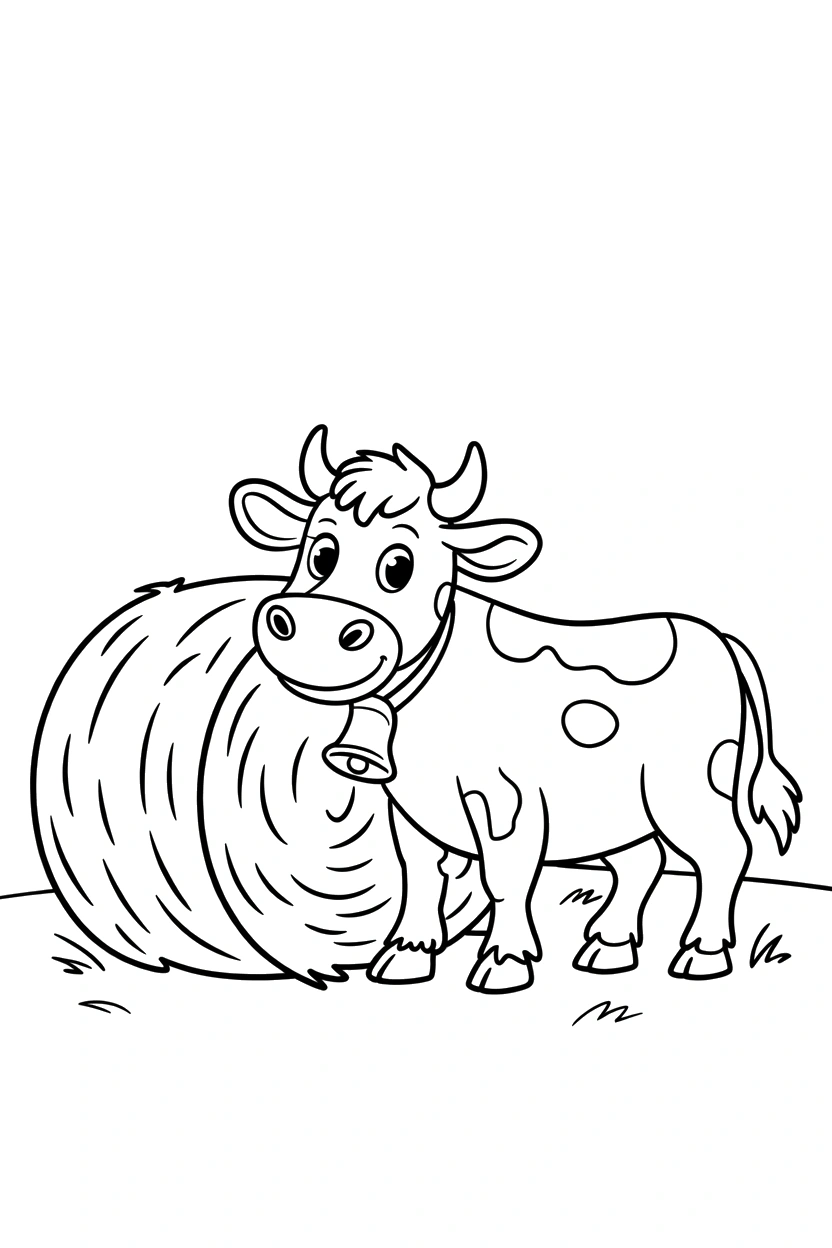
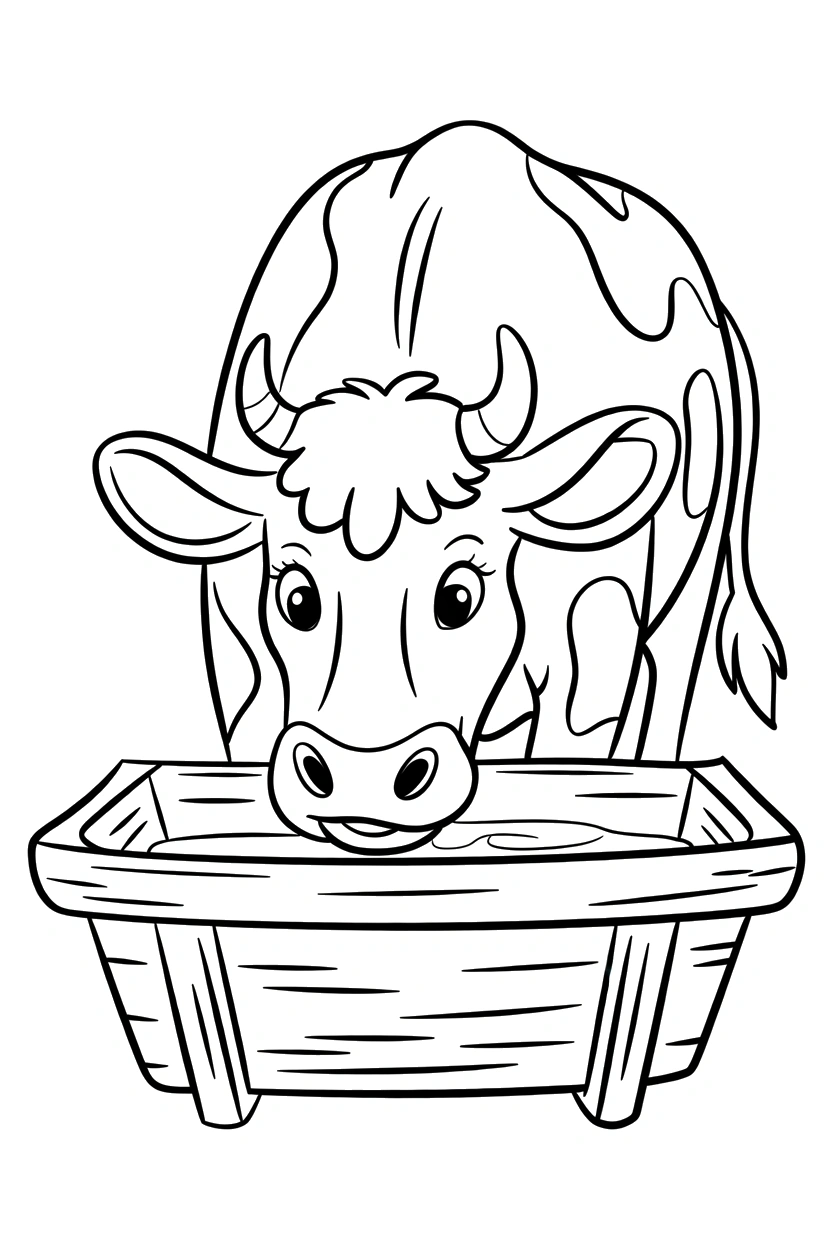
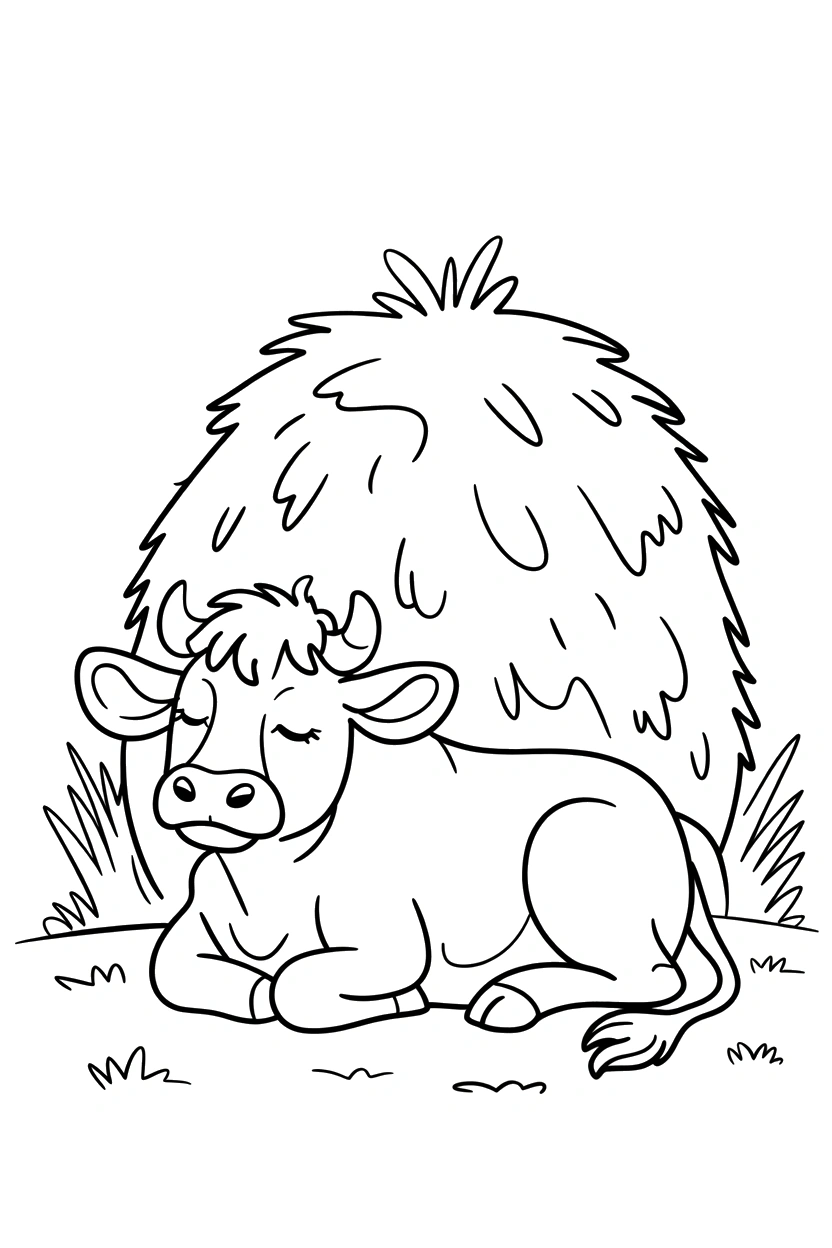
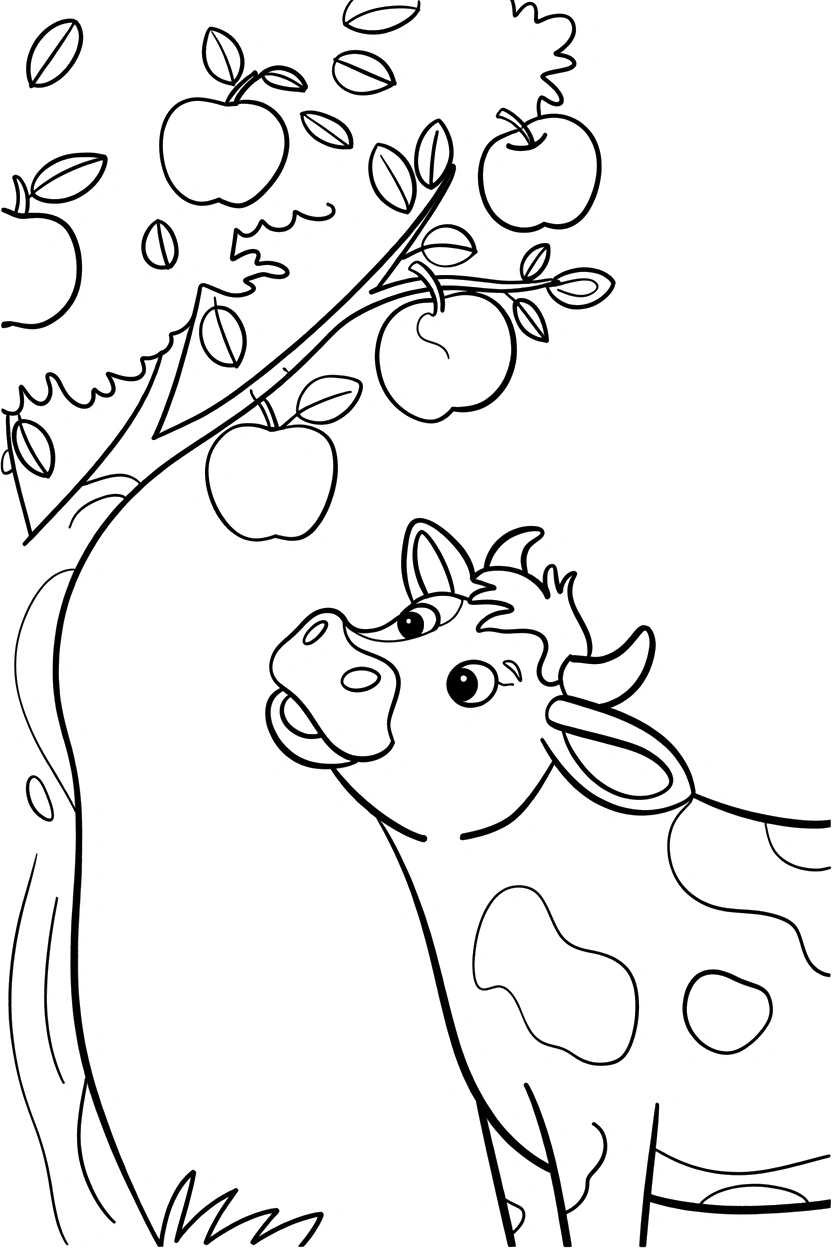
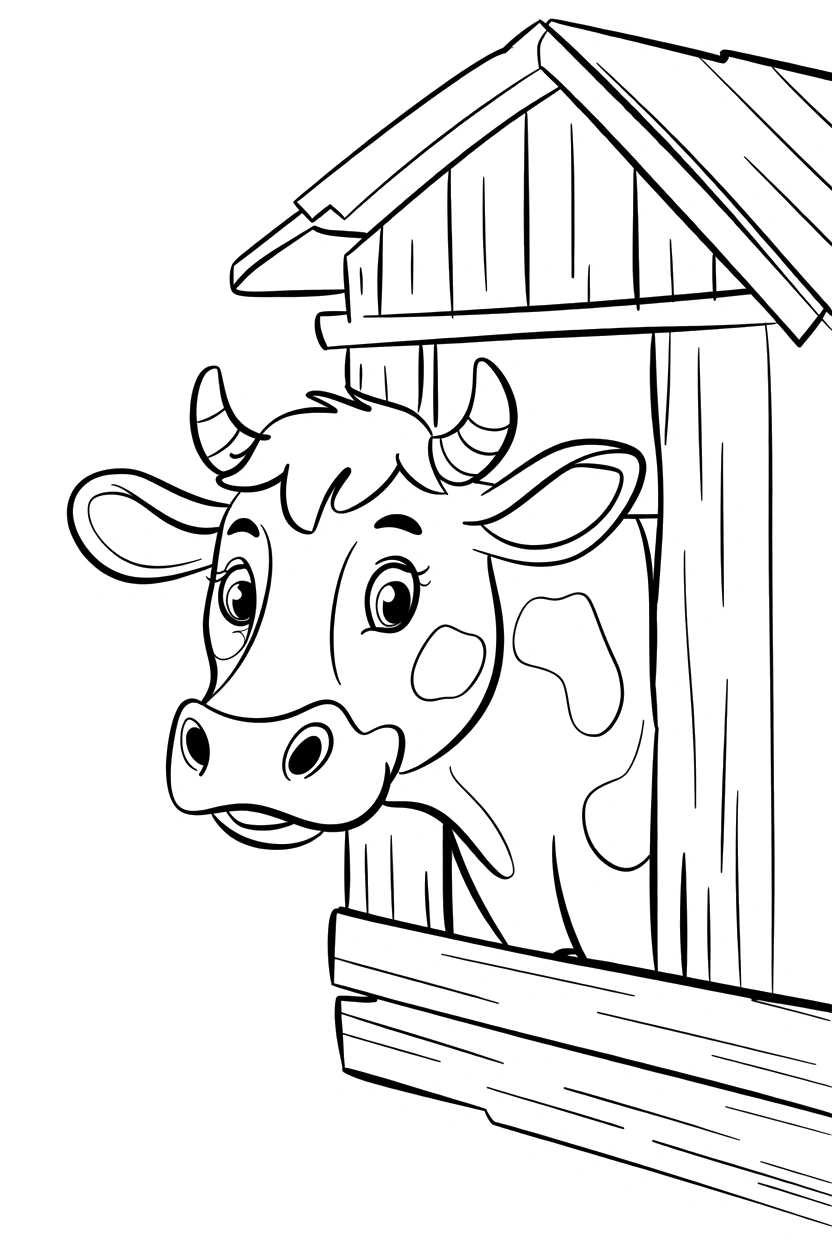
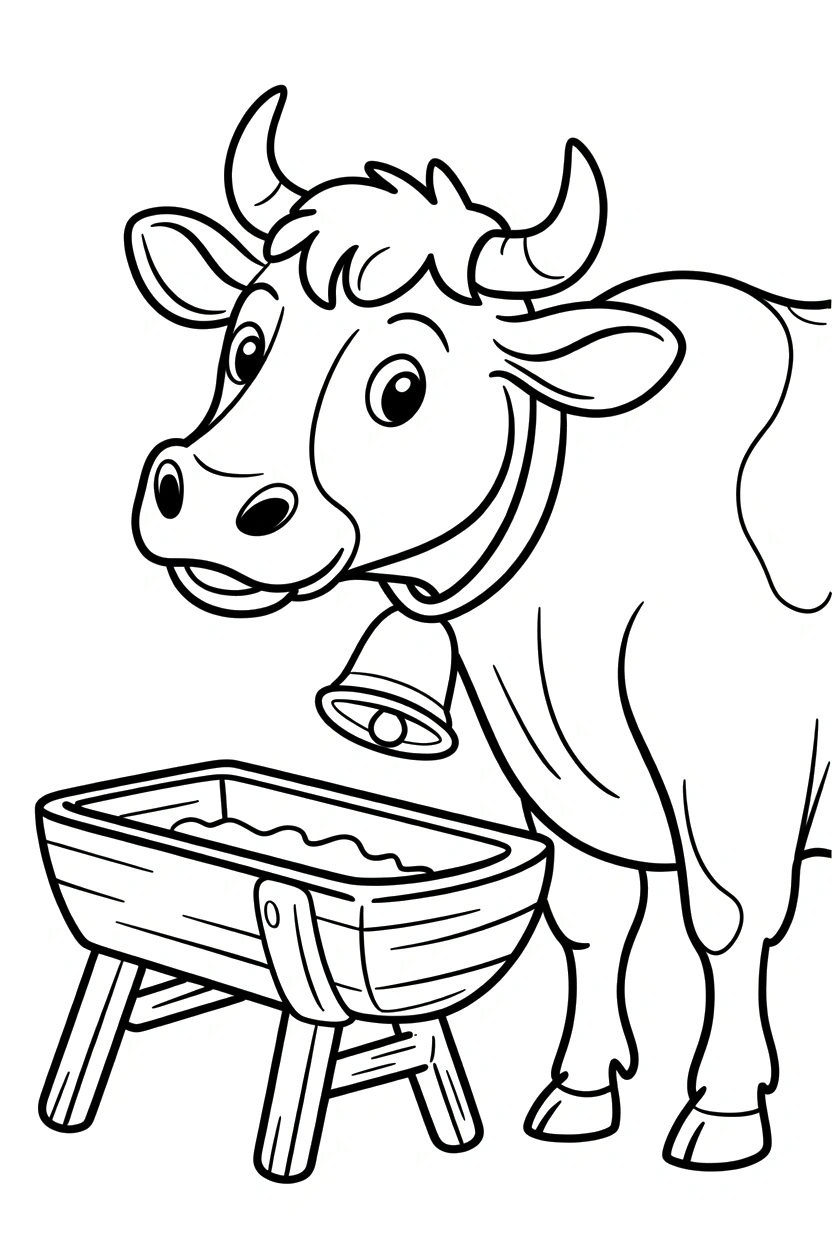
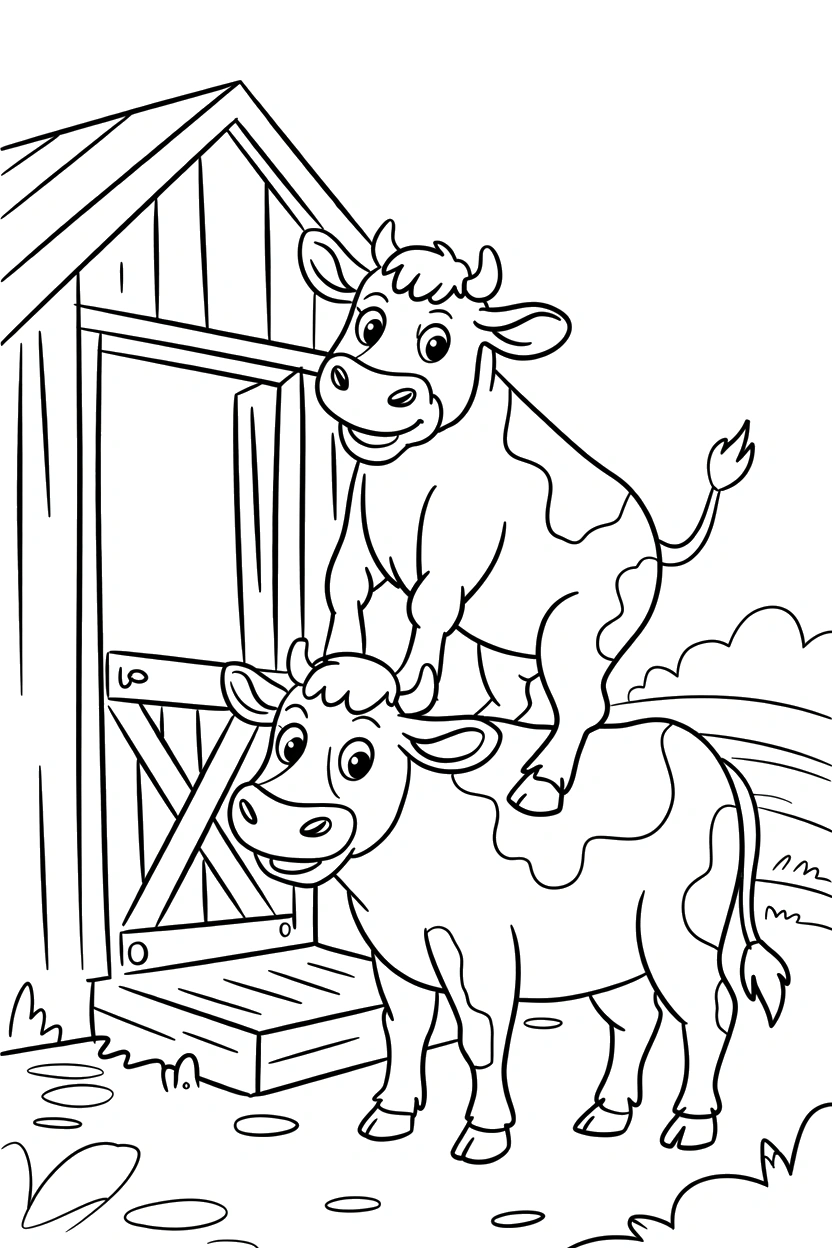
The scenes shift from barn doors to meadow corners. One cow might be resting against a hay bale. Another stands near a water trough.
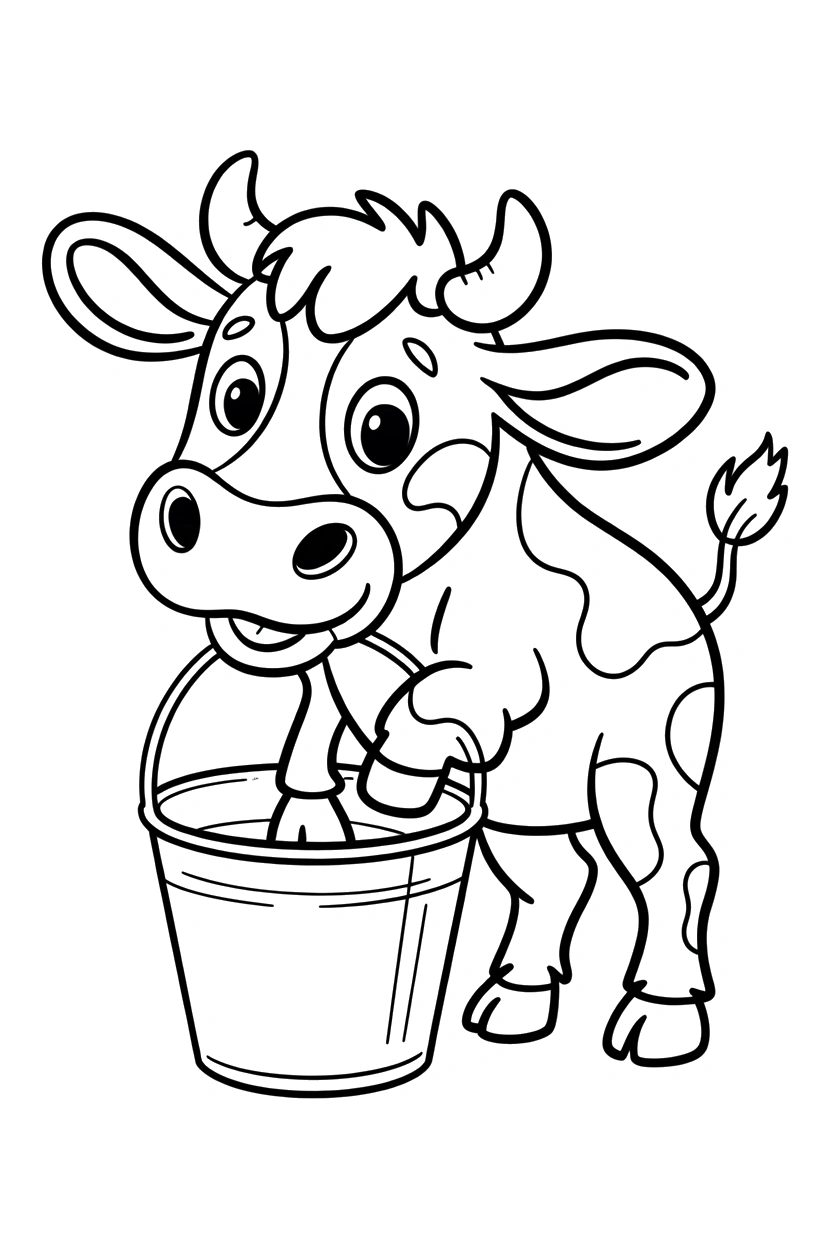
Body shapes stay simple enough for younger hands but include enough detail to keep older kids engaged. Hooves, tails, and udder sections each get their own outlined space.
(Cows can recognize over 50 individual herd members just by looking at their faces.)
What’s on the Page
- Full-body side views with all four legs visible
- Cows holding their heads low while grazing
- Standing cows with tails hanging straight down
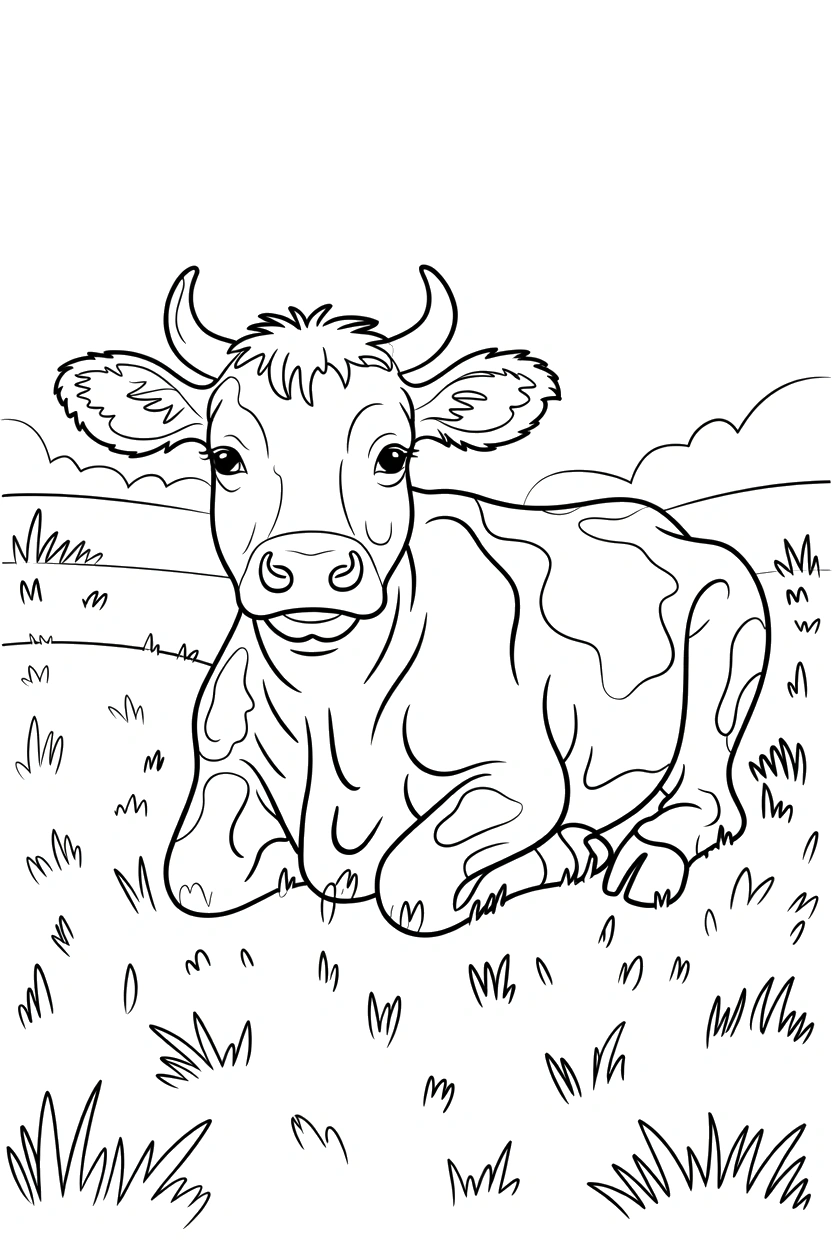
- Seated cows with legs folded beneath their bodies
- Fence posts, barn boards, and trough edges
- Grass tufts scattered near hooves
- Single cows centered on the page
- Pairs of cows facing toward each other
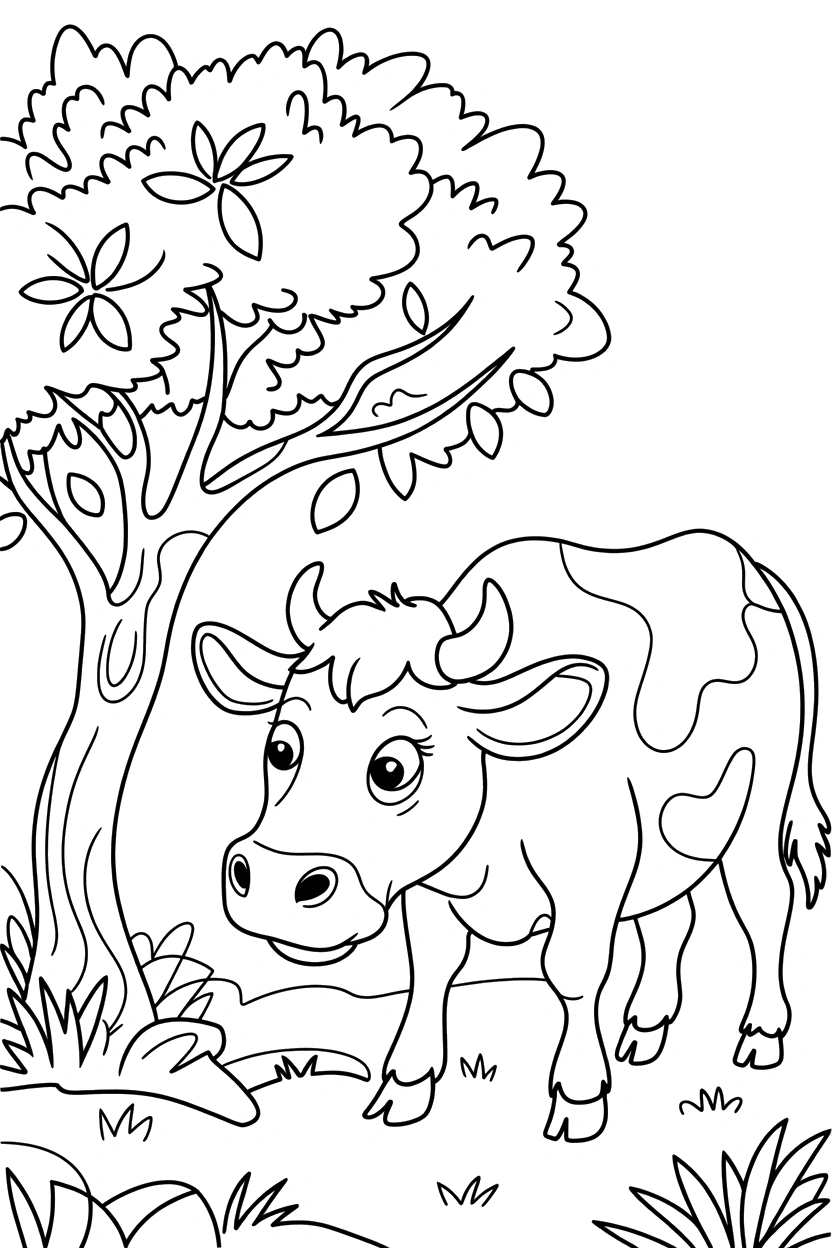
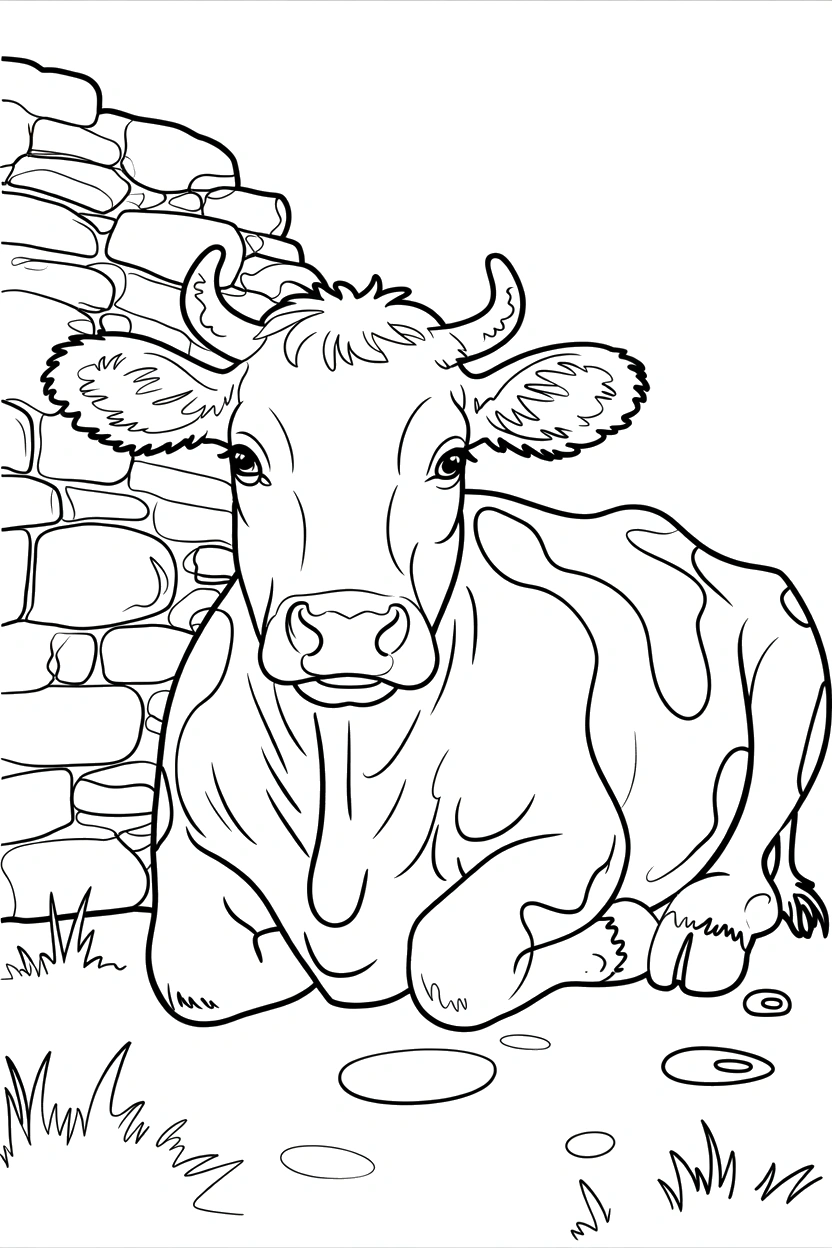
Spots cover the shoulders and back in irregular clusters. Ears point out to the sides or droop slightly. Noses appear wide and rounded at the bottom.
Each simple line drawing keeps the proportions clear without crowding the page. A few of these slip into a travel bag easily.
Do the drawings show only dairy cows?
No. The outlines work for any cow type—spotted, solid, or mixed.
Are barn structures included in most scenes?
Some pages feature barns or fences. Others show open fields with minimal background.
Which sheets suit children who prefer larger sections?
Cows standing alone with simple backgrounds offer bigger spaces to fill in.
Start with the head and work down toward the legs. Let the hand rest on the paper edge to steady each stroke. Try using the side of a crayon for the body, then switch to the tip for ears and hooves.
Layer two different tones in the same spot—one lighter base, one slightly darker along the outline edges. That adds depth without requiring blending tools.
Coloring helps with hand-eye coordination.
Most Cow Coloring Pages print cleanly on standard copy paper. Heavier stock reduces marker bleed-through if switching between tools.
Each ready-to-print sheet arrives with enough margin space to avoid cutting off any part of the drawing. The outlines stay thick enough to handle wobbles but thin enough to leave room for personal choices inside each section.
Kids can pick a different pose or background setup each time without repeating the same visual twice.
Did you know? Cows have best friends and get stressed when separated from them for too long.
How to Print
Scroll through the image options below and pick the scene that fits. Click the orange “PRINT” button beneath your chosen cow. Your browser opens the print menu—confirm your printer, check the page size, and hit print. Once the page comes out, grab your coloring supplies and begin filling in the outlines.