Crawling across a garden stem, Ladybug Coloring Pages spread out across the kitchen table on a slow weekend morning. A crayon rolls to the side. Fingers land on the first page.
The scene already feels familiar — a small round bug perched on something wide and textured. Kids recognize the shape instantly. They reach for their tools and lean in close. A few of these slip into a travel bag easily.
What’s on the Page
Ladybug Coloring Pages bring together some of the most satisfying shapes a young artist can trace with a crayon tip. The round body, the split shell line down the middle, the thin angled legs — it all fits neatly inside a single black-and-white outline.
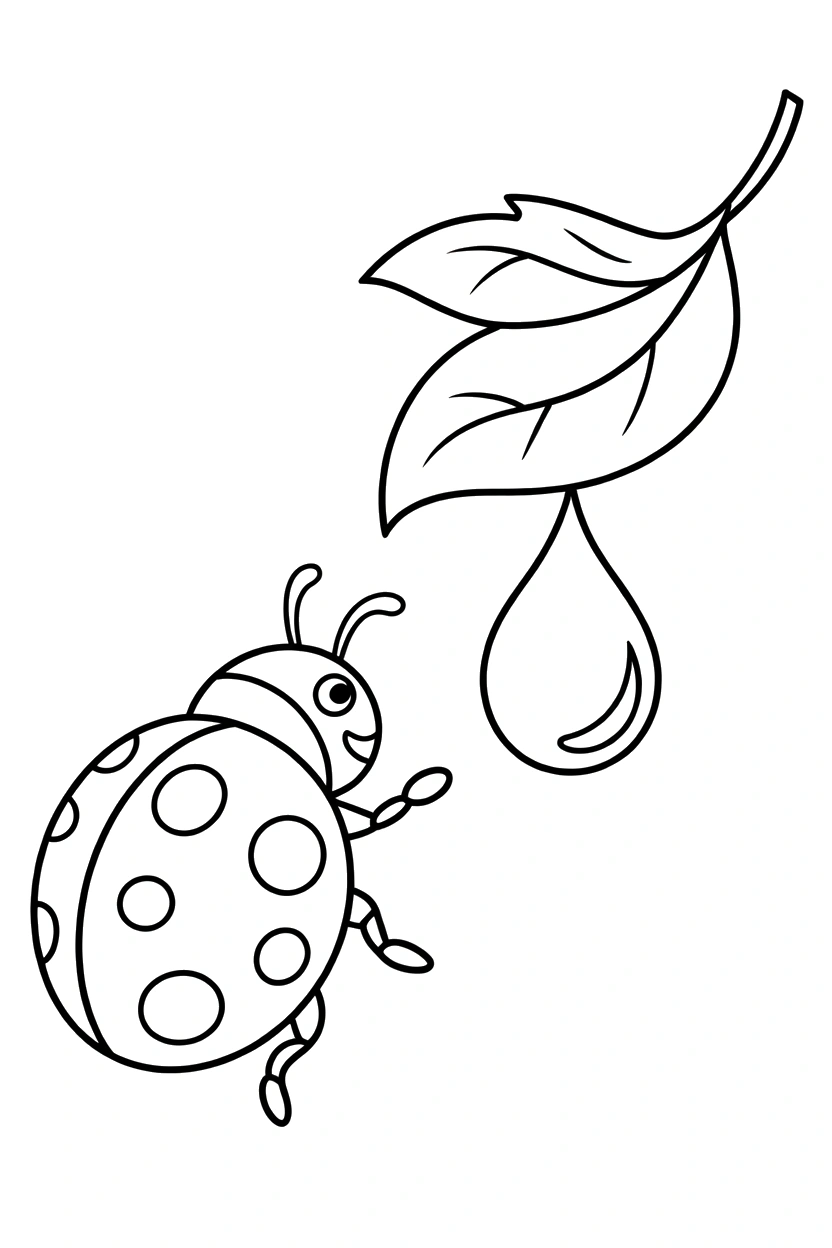
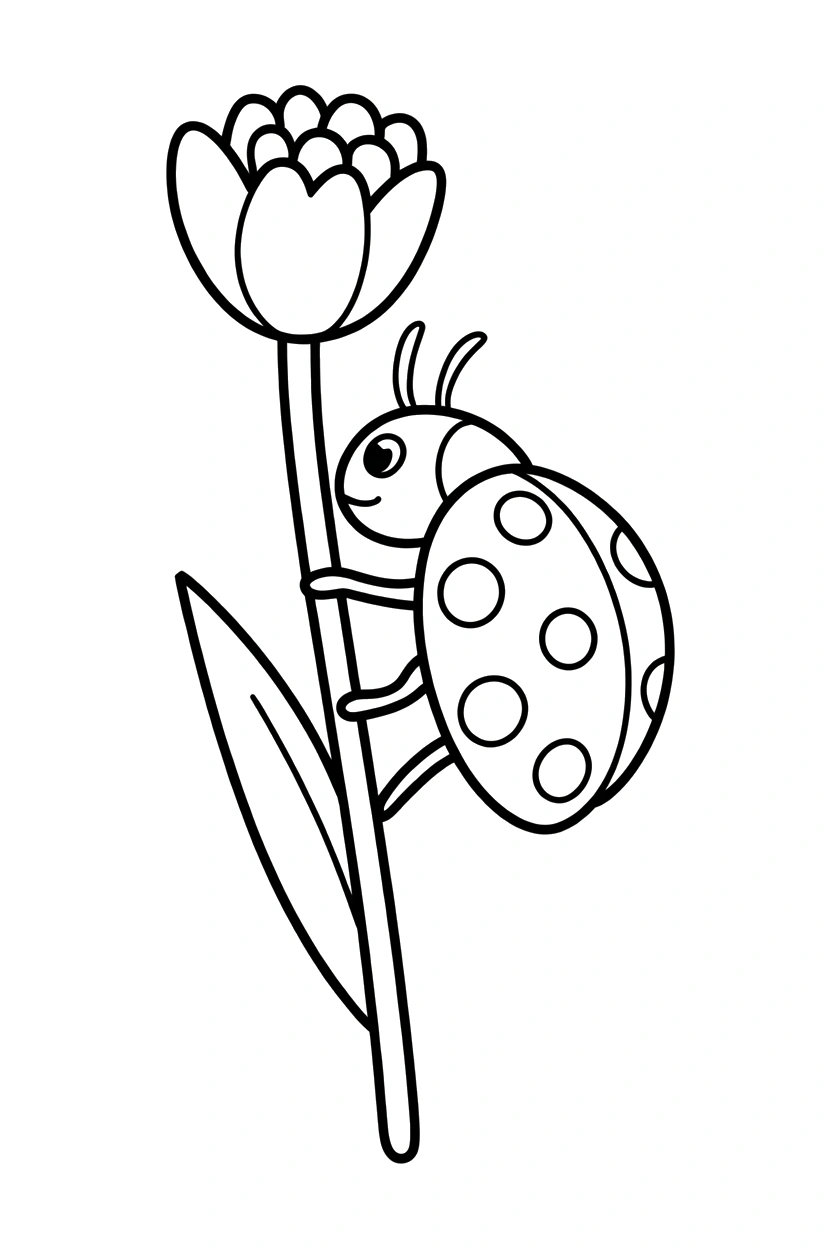
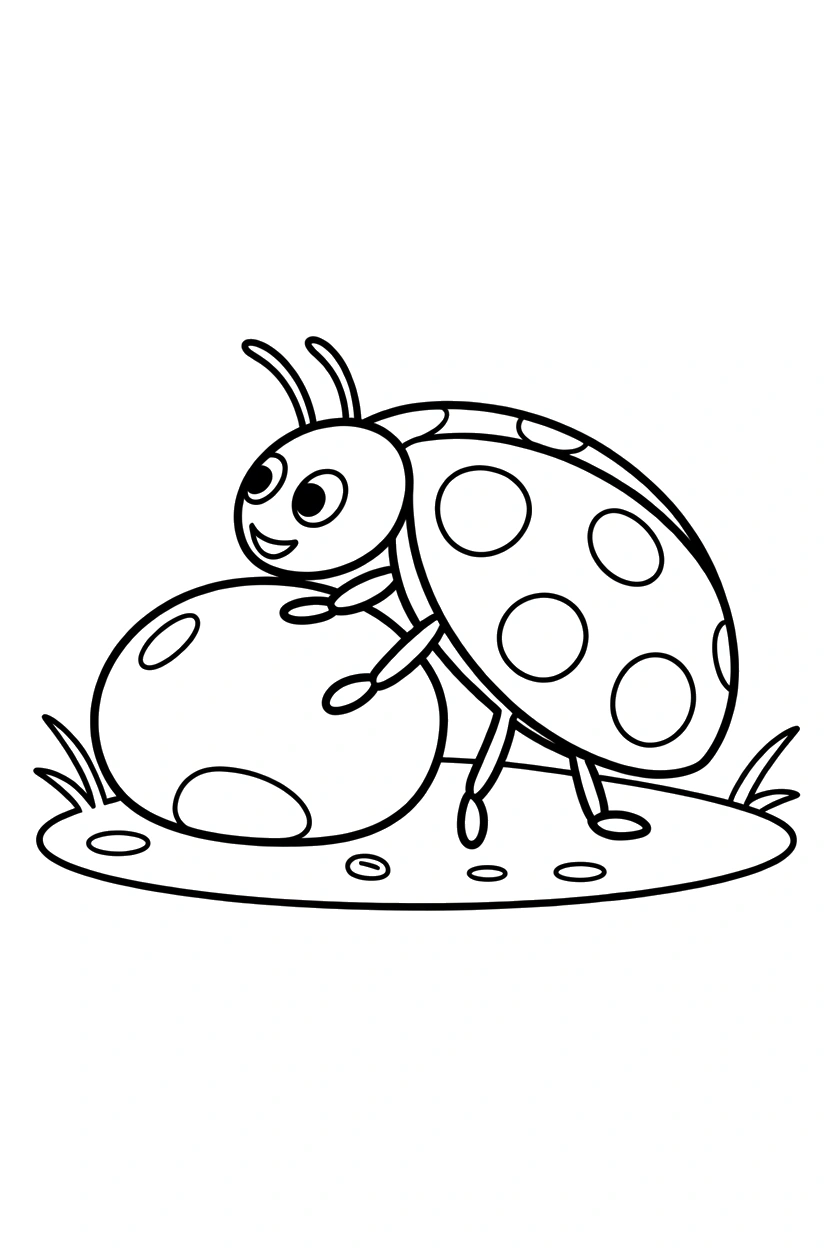
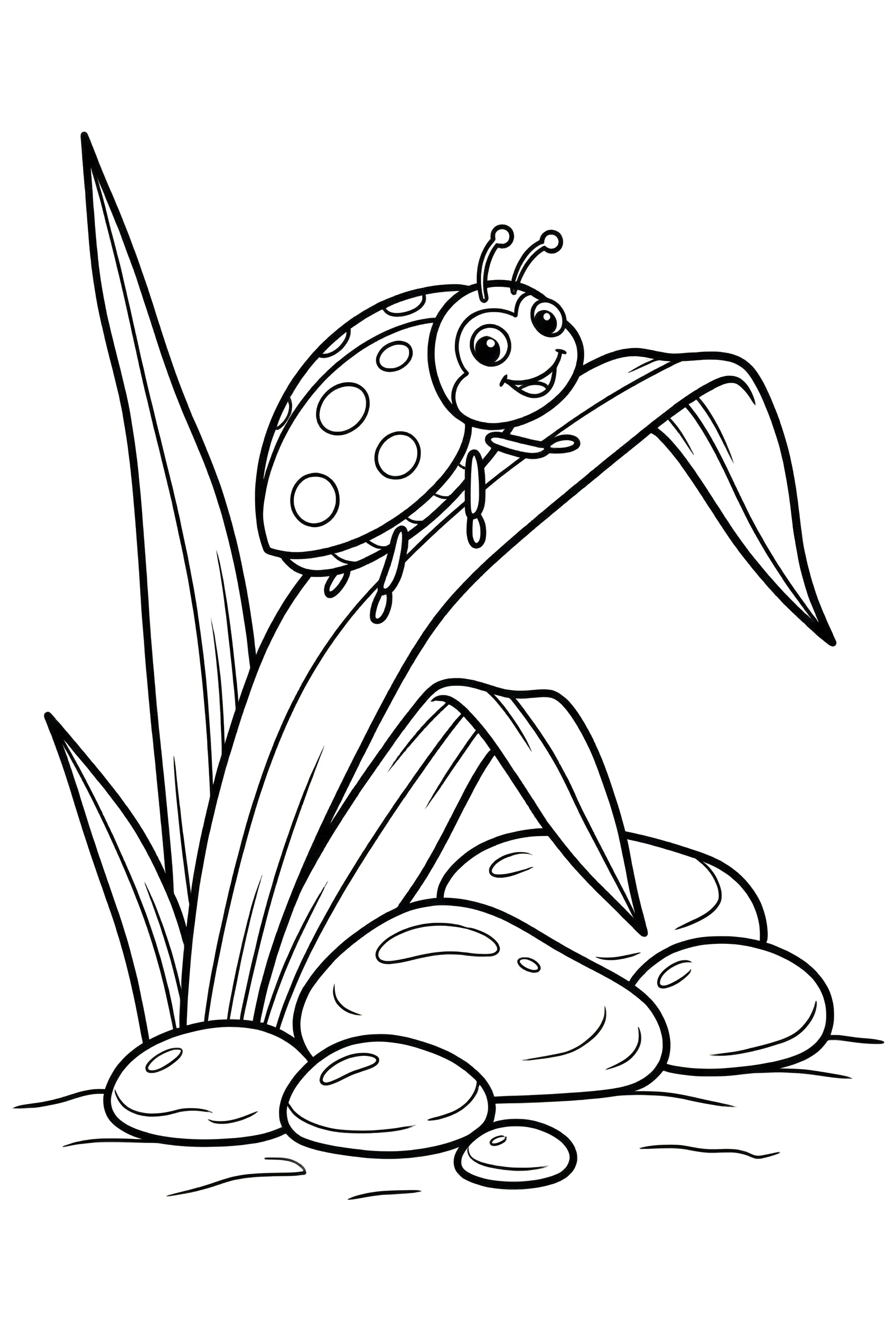
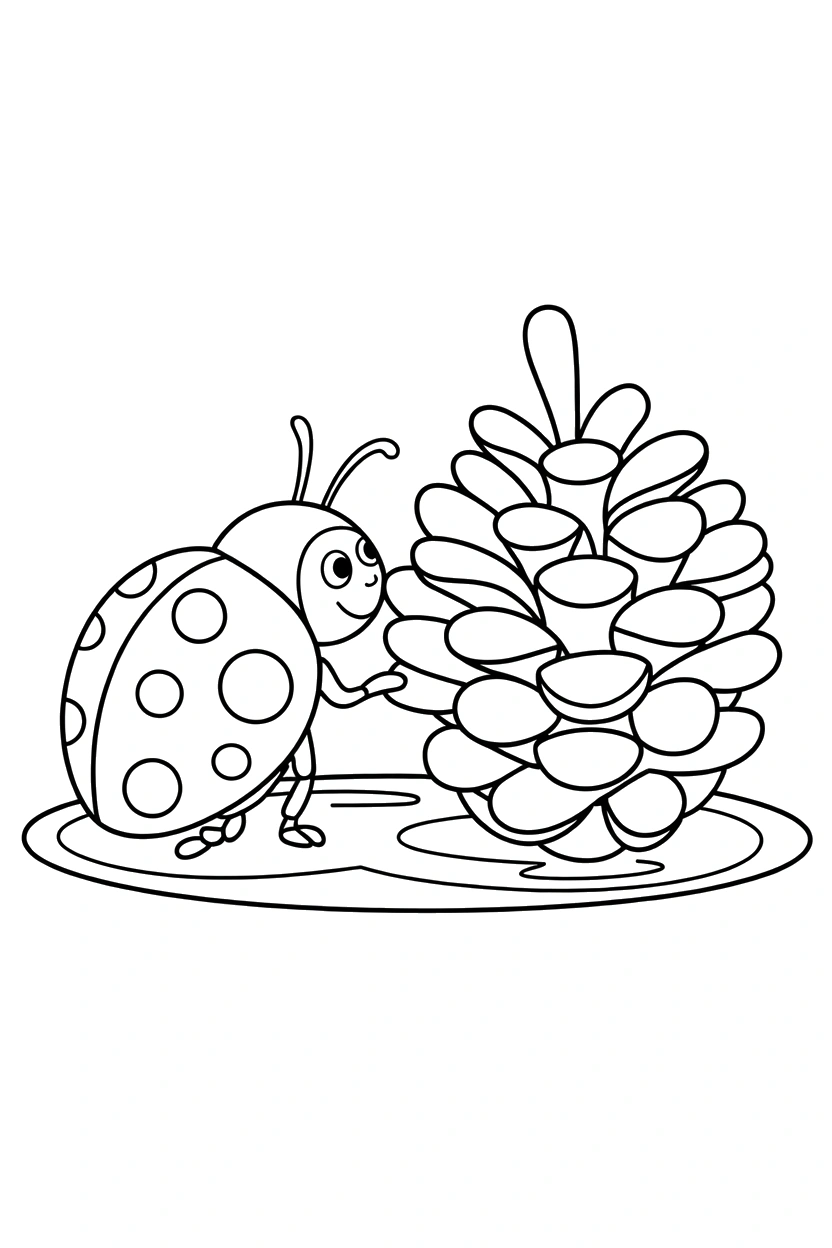
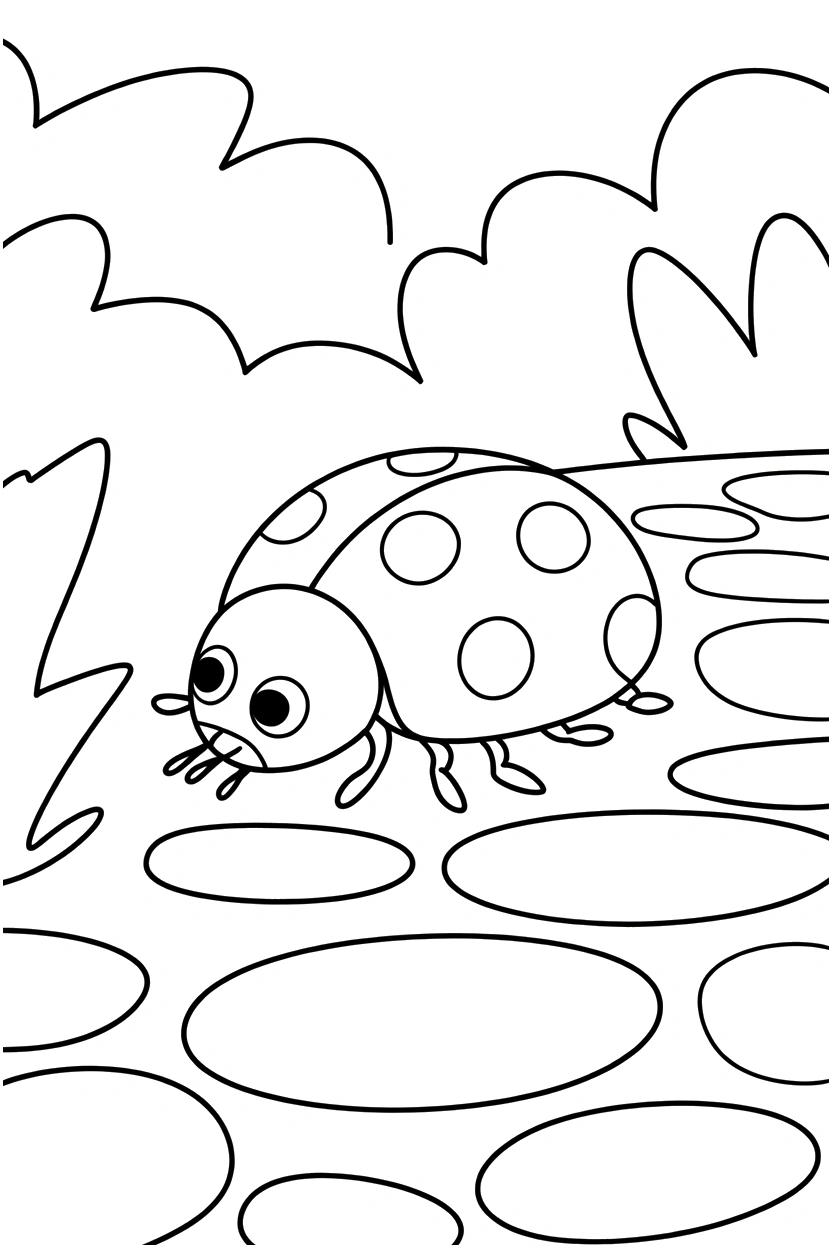
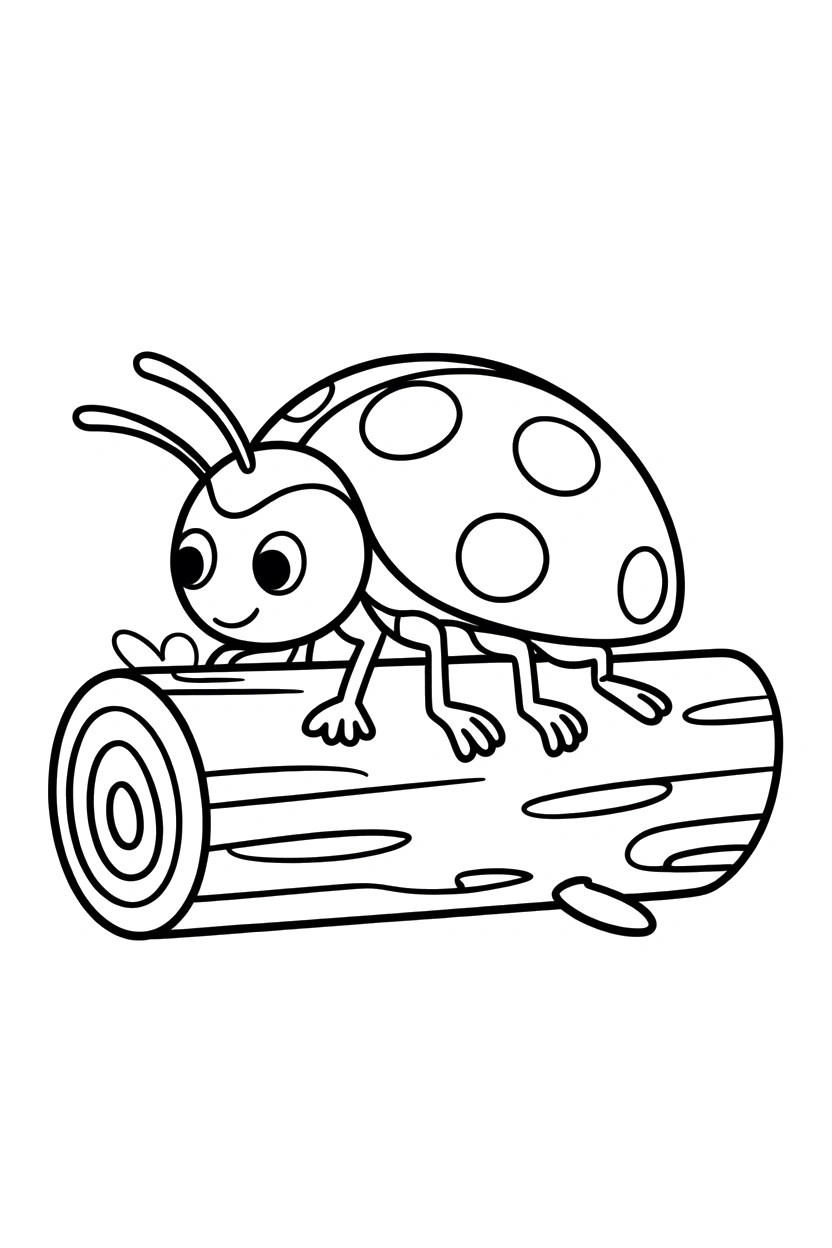
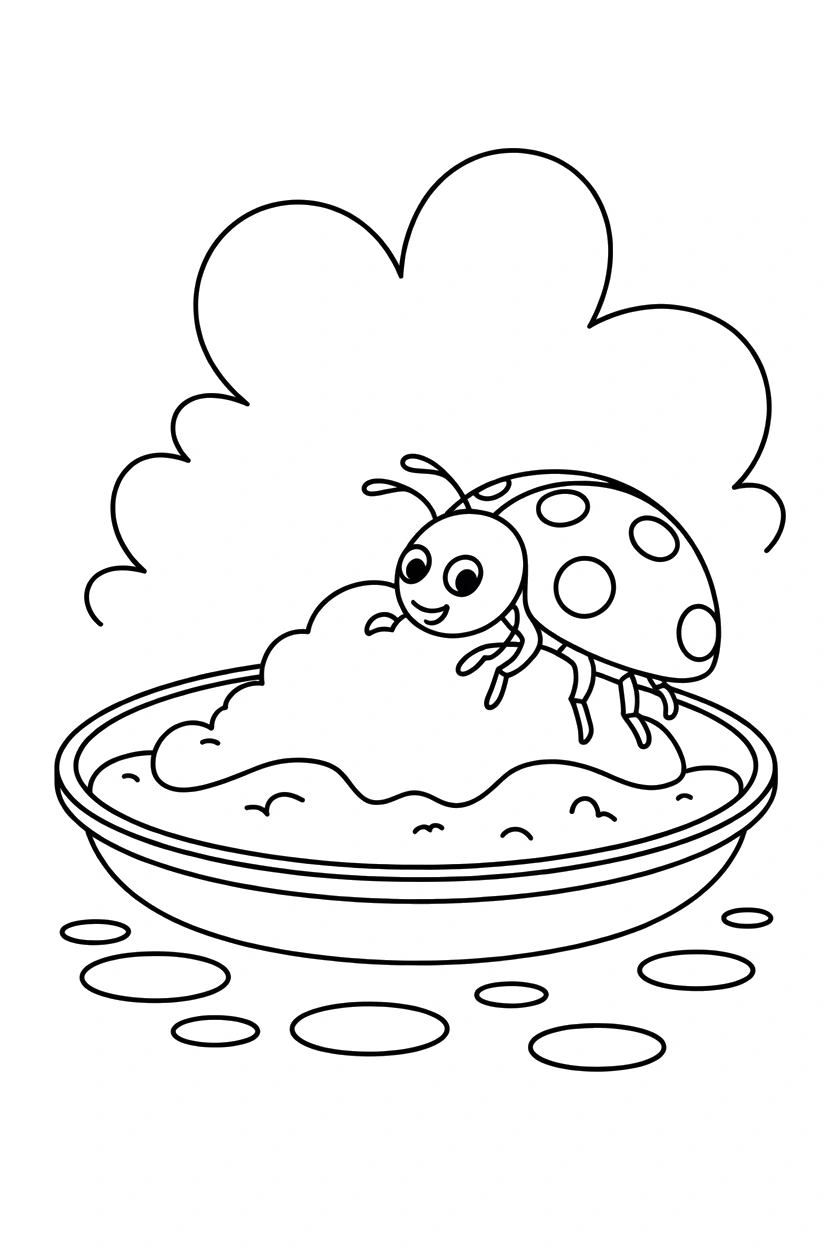
Some drawings place the ladybug on a broad leaf with visible veins. Others set it near a flower stem or balancing on the edge of a garden stone.
Every ready-to-print sheet keeps the surrounding scene grounded in something real and recognizable.
Scene Elements Up Close
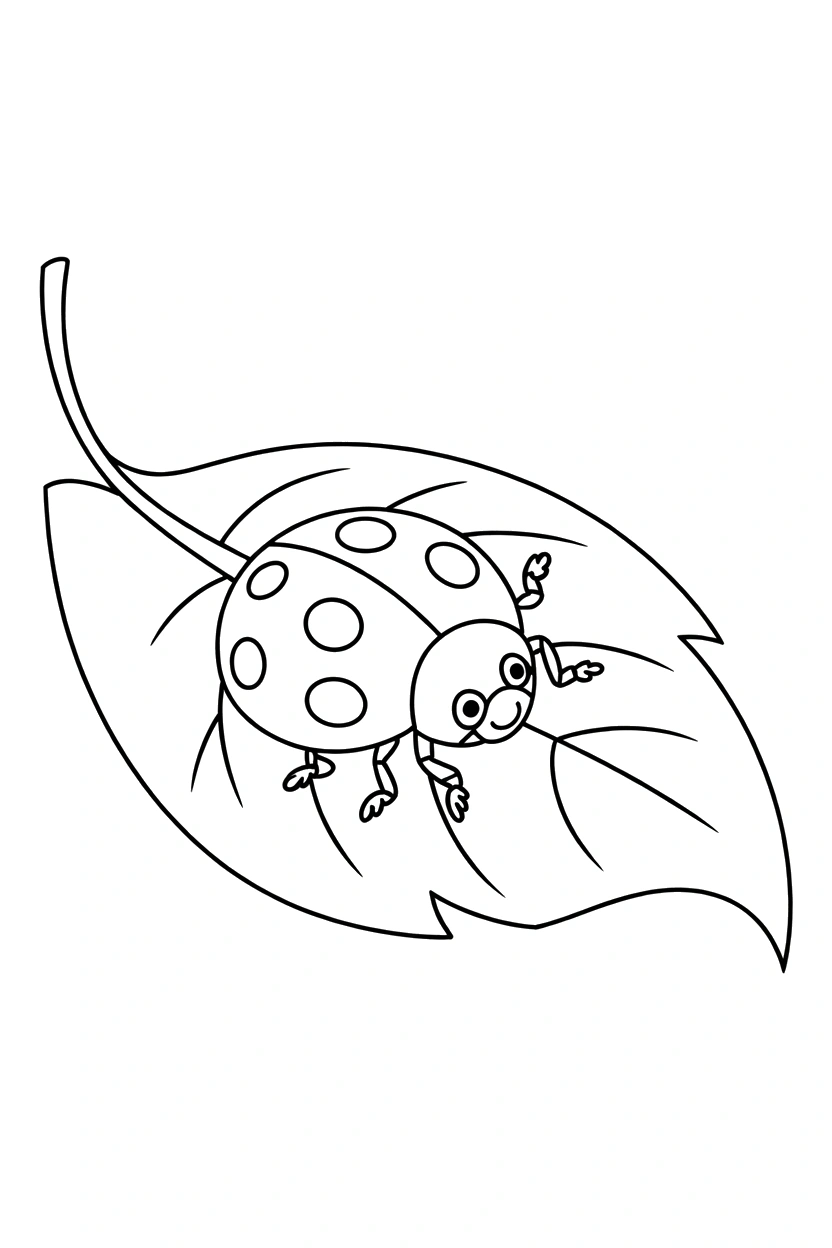
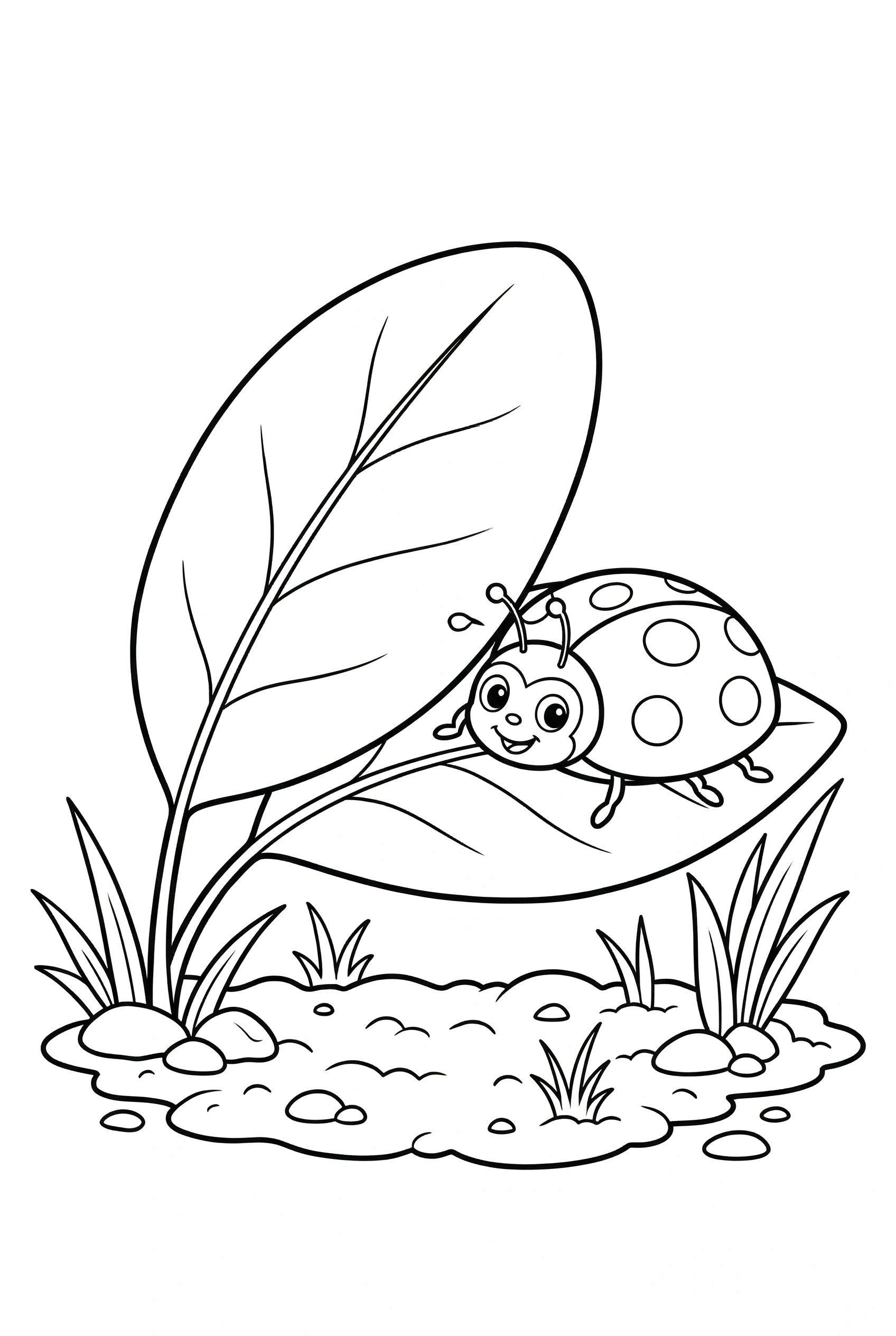
Ladybug resting on a wide leaf with veined surface detail
Ladybug climbing a vertical flower stem beside a closed bud
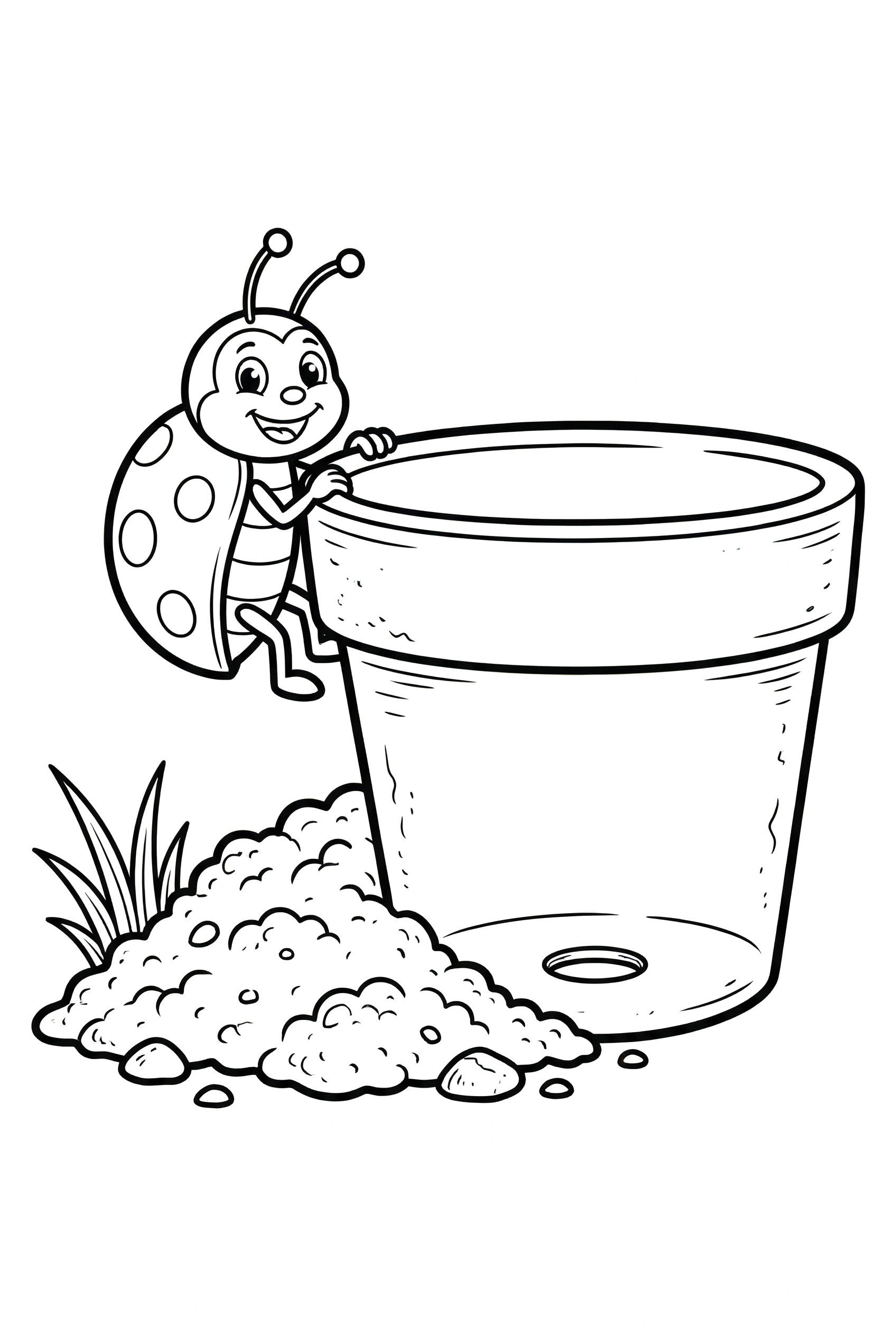
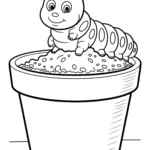
Ladybug perched on the curved rim of a terracotta pot
Ladybug leaning against a smooth garden pebble
Ladybug peeking out from beneath an overlapping leaf pair
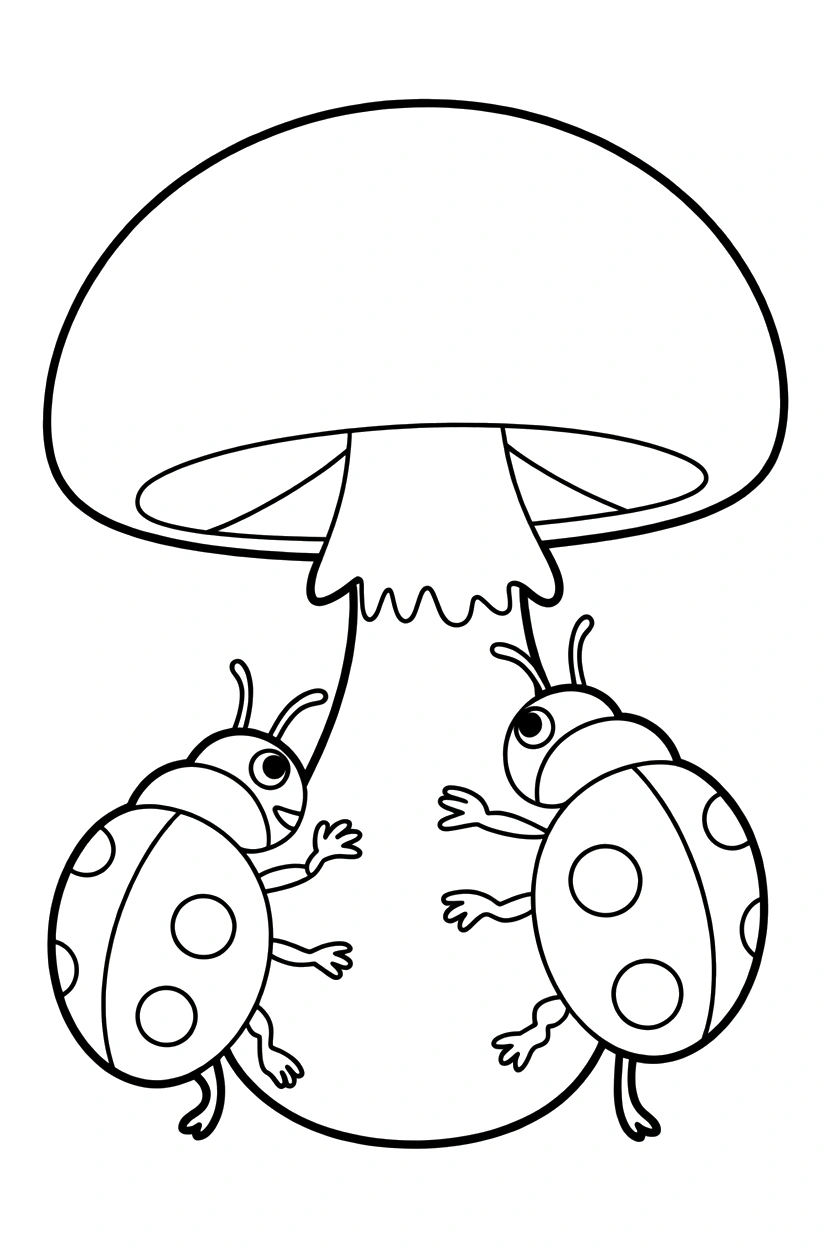
Two ladybugs stacking near the base of a mushroom cap
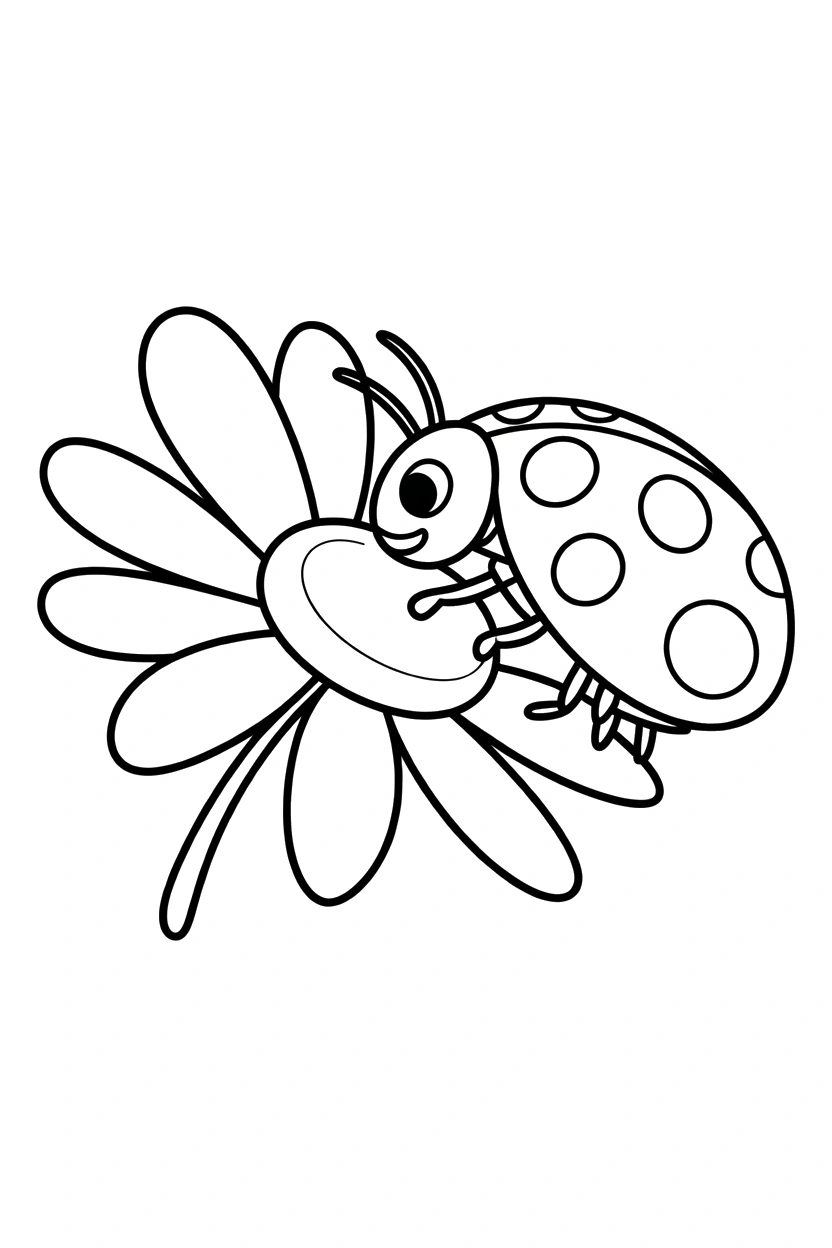
Ladybug reaching toward the open center of a daisy bloom
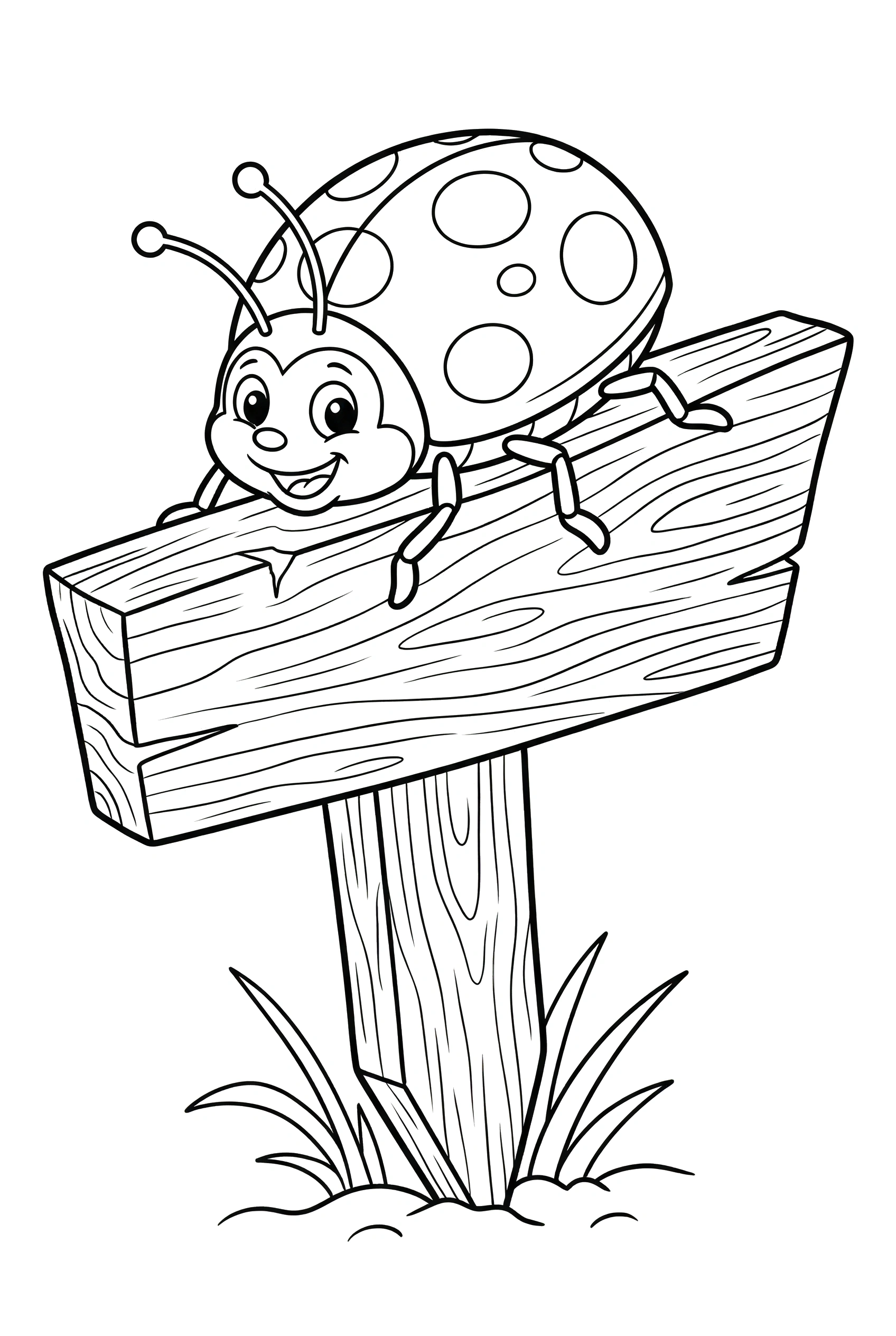
Ladybug holding steady on a wooden garden stake
Ladybug resting on a folded grass blade near the ground
A simple line drawing of a ladybug works because the proportions stay honest. The dome shape reads instantly. Kids understand the scene without needing words.
Coloring sessions stay calm. Coloring helps with hand-eye coordination. The spots give kids a natural target — small defined circles they want to fill in carefully. That focus carries through the whole page.
Weekend kitchen table projects look different when a ladybug outline is in the mix. Printable ladybug templates give kids something specific to work toward.
The legs, the antennae, the split along the back — each part invites a different level of attention. Ladybug Coloring Pages hold a child’s interest longer than a plain shape would, because the details keep revealing themselves as the coloring progresses.
(Ladybugs can fold their wings neatly under their shell when they are not flying.) The scene stays simple but never feels empty.
Creative Tip
Press firmly with a crayon around each spot to get clean edges. Trace the antennae using a thin marker for a sharper line. Use the tip of a pencil to add tiny texture marks on the leaf veins beneath the bug.
How to Print
Scroll down the page until you spot the image you want. Select it with a single click or tap. Hit the orange “PRINT” button that appears at the top of the screen. Grab your crayons and start coloring straight away.
What objects appear alongside the ladybug in these drawings?
Leaves, flower stems, garden stones, pots, and mushroom caps appear in various scenes.
Are the ladybug spots already drawn in as outlines?
Yes, the spots appear as outlined circles ready to fill in.
Do any scenes show more than one ladybug on the page?
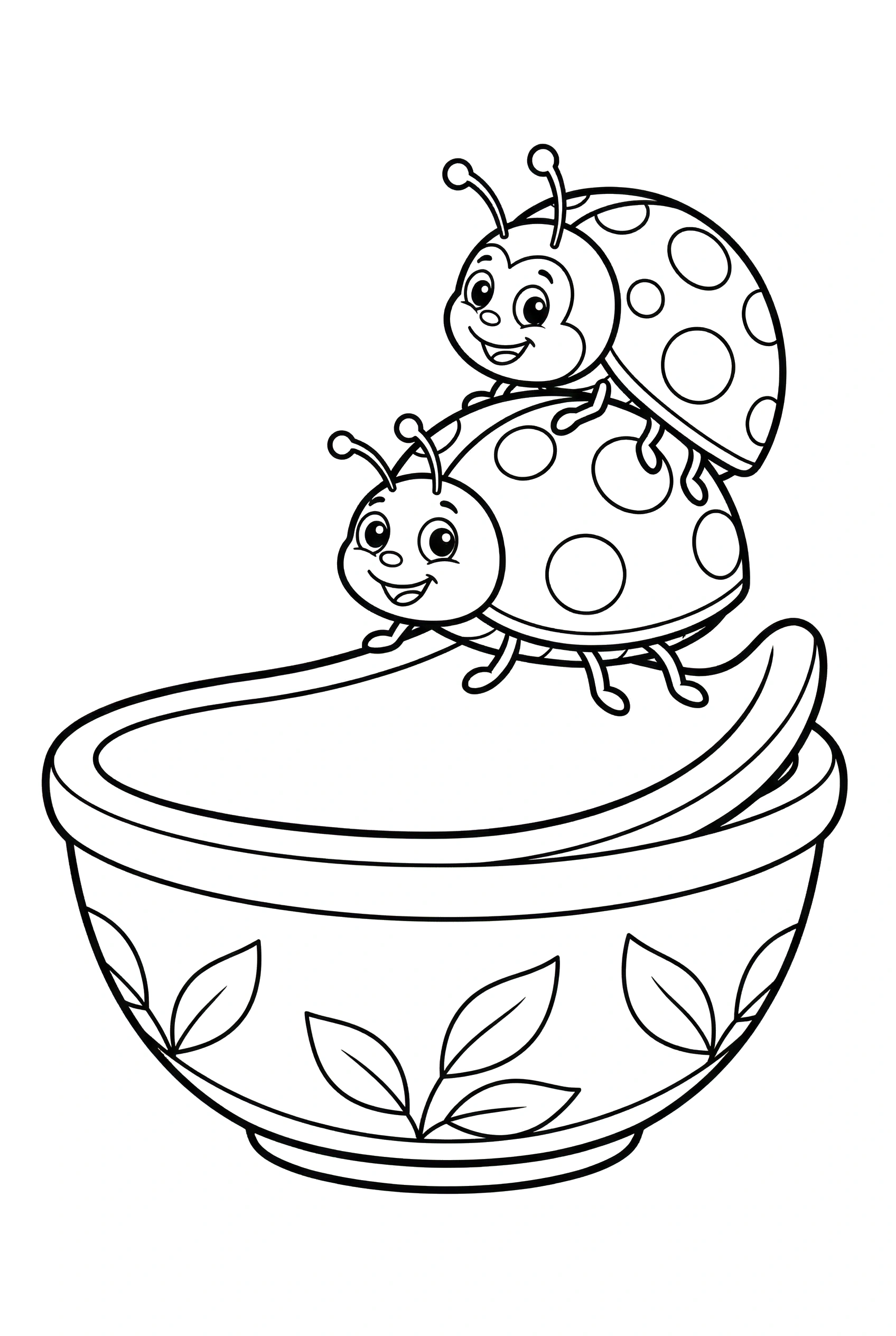
A few drawings include two ladybugs positioned close together.