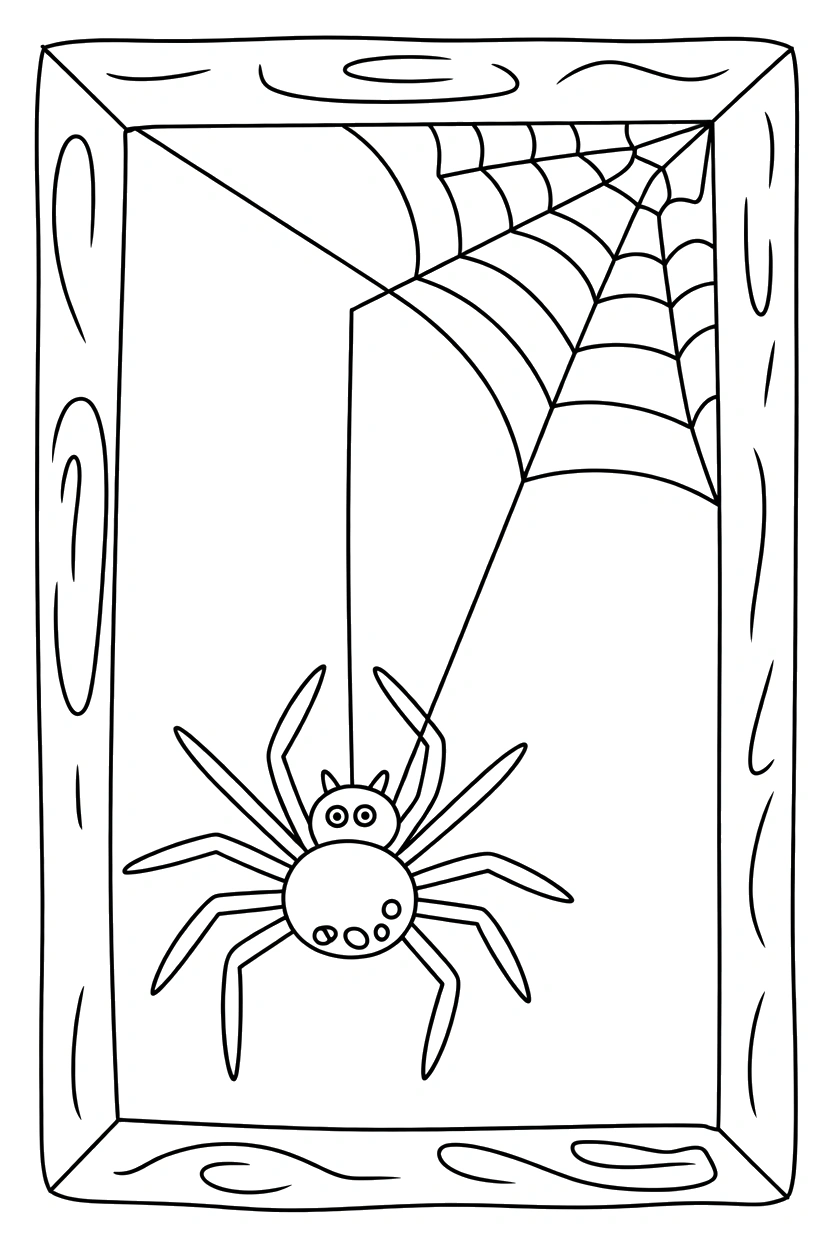
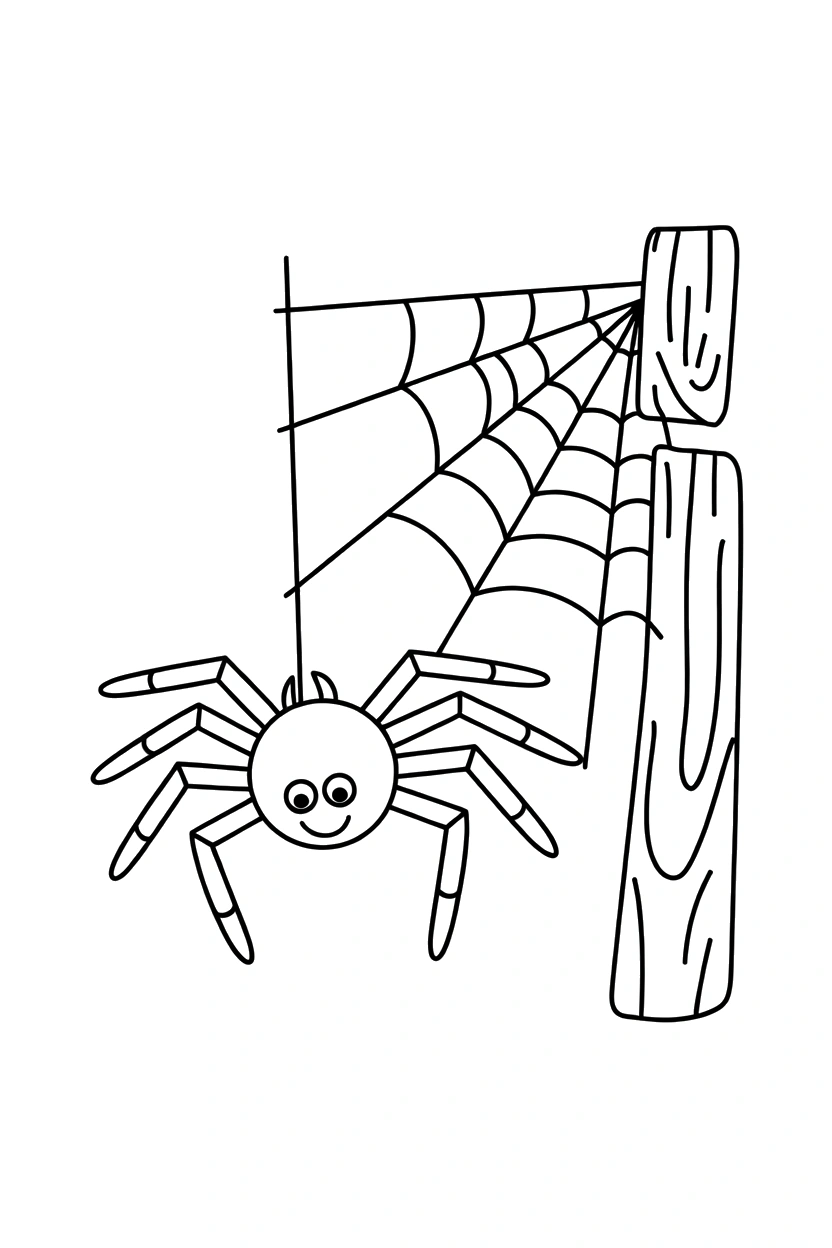
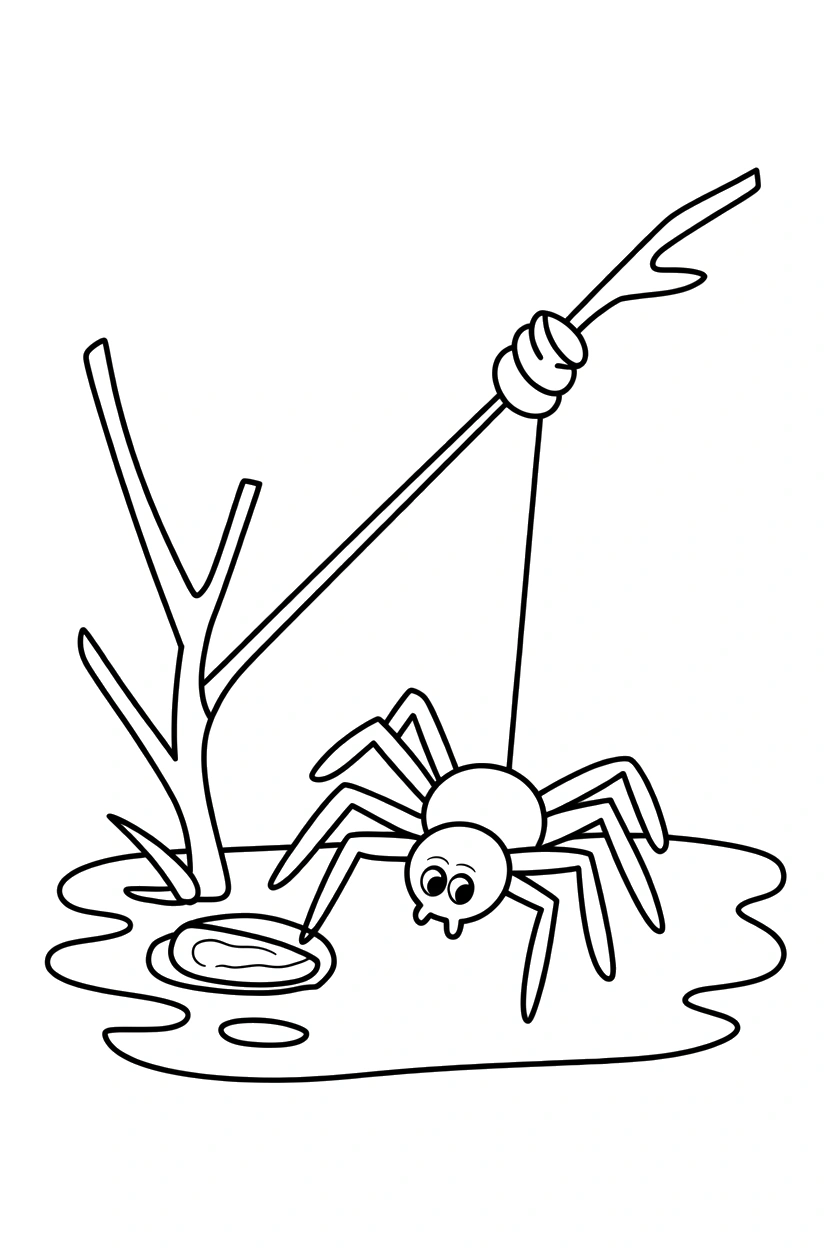
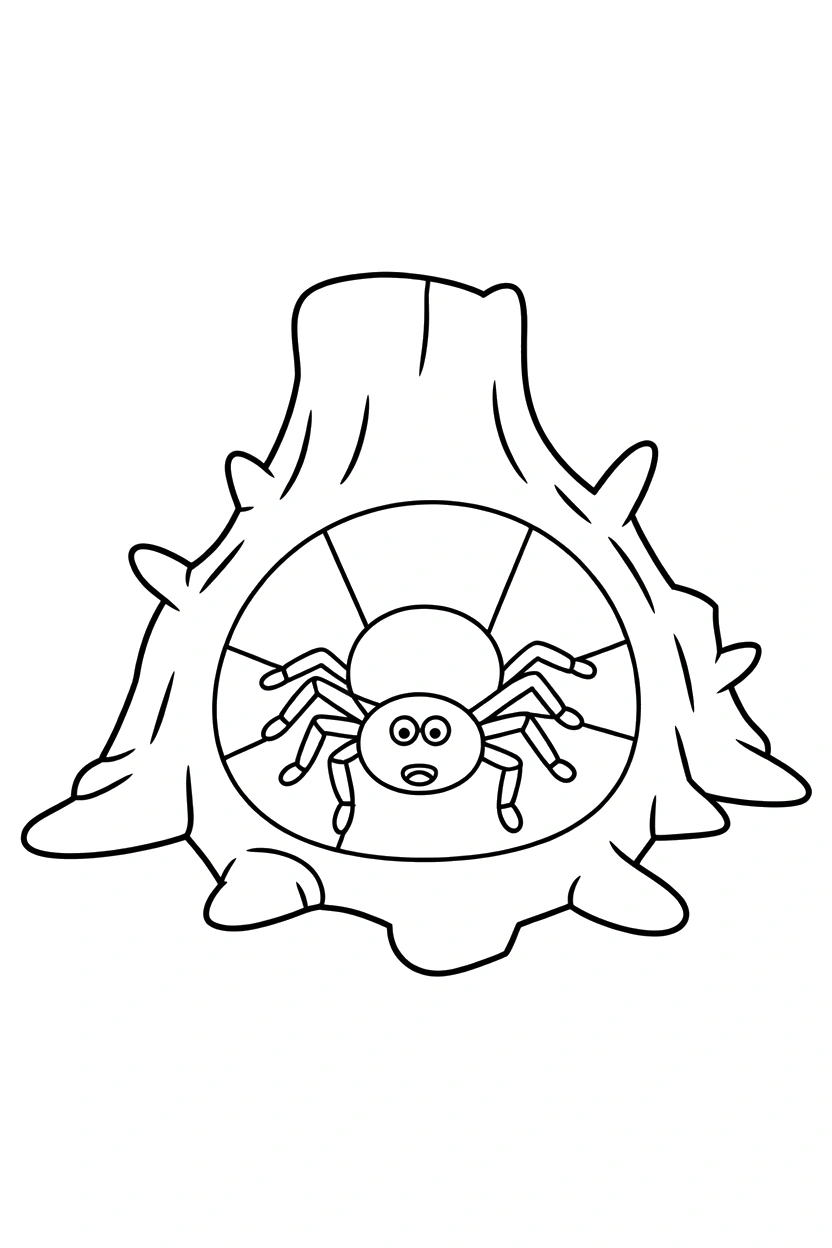
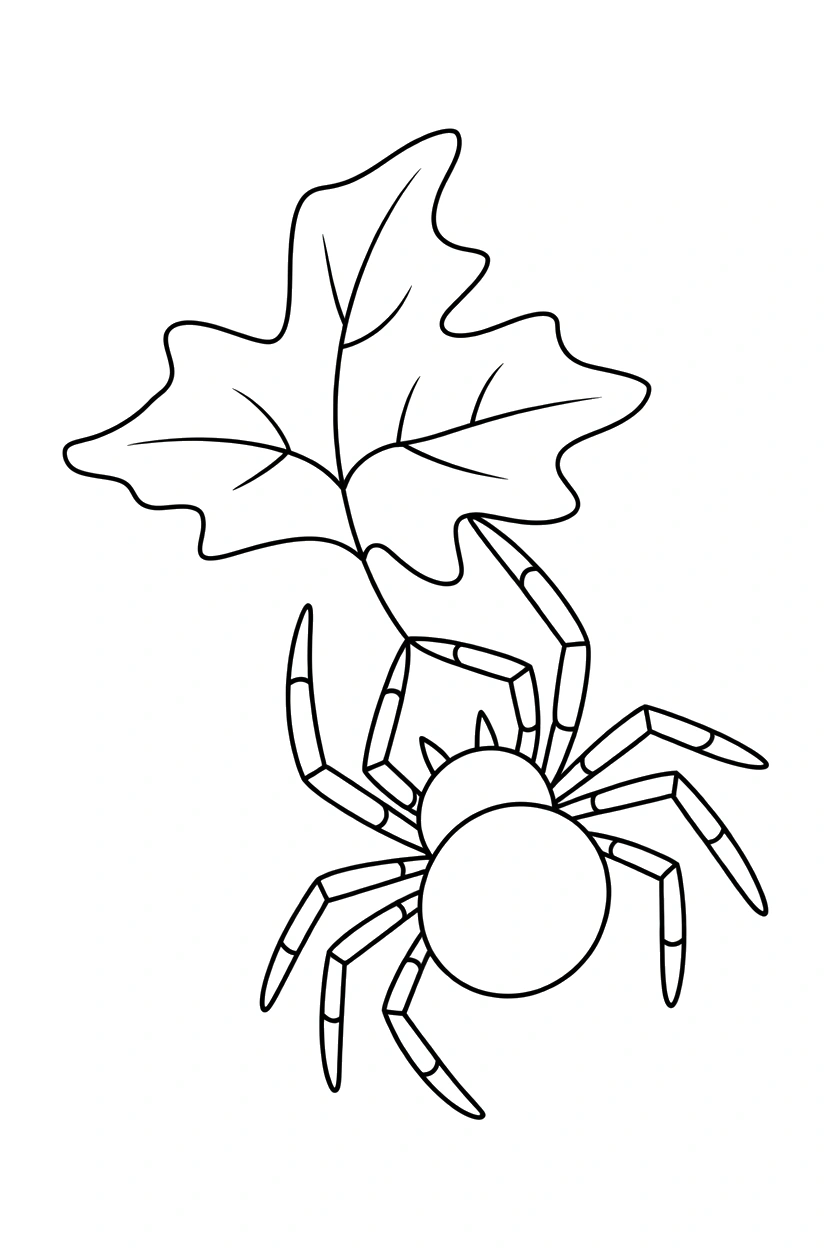
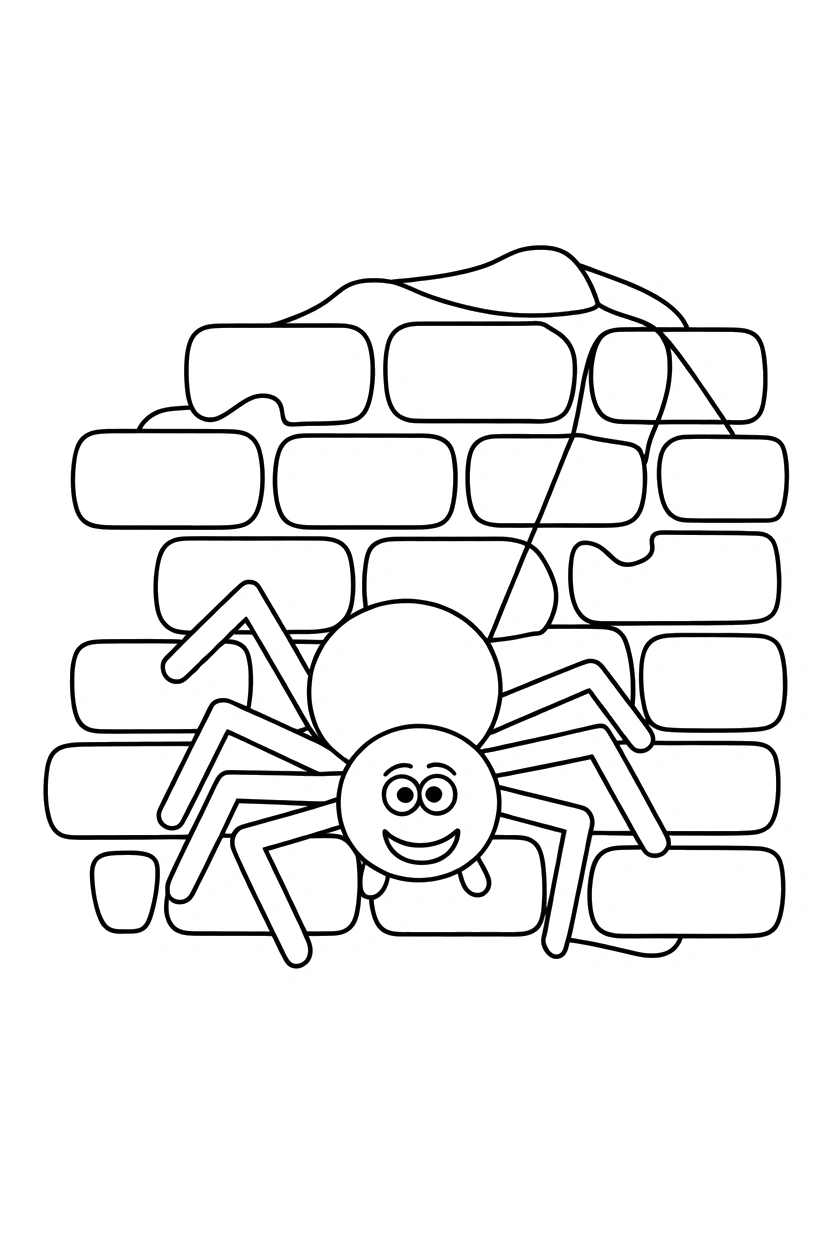
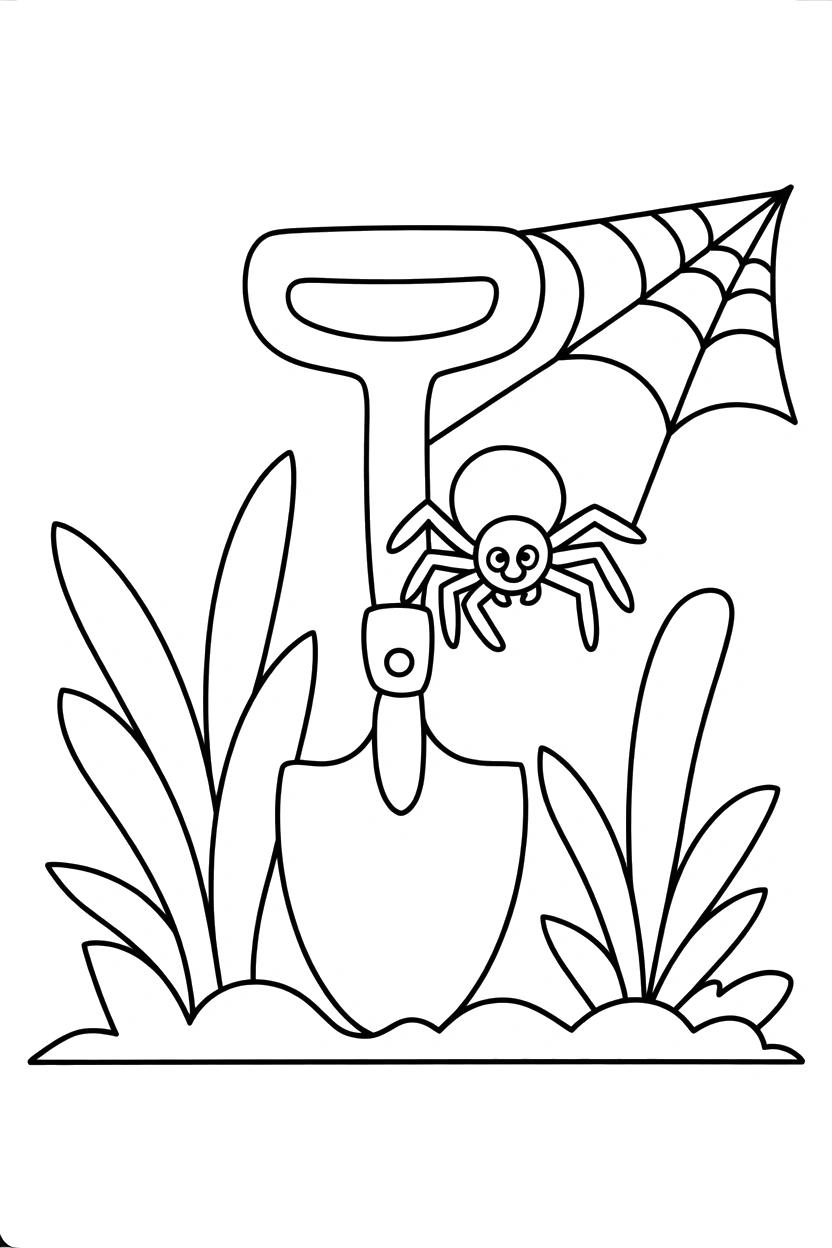
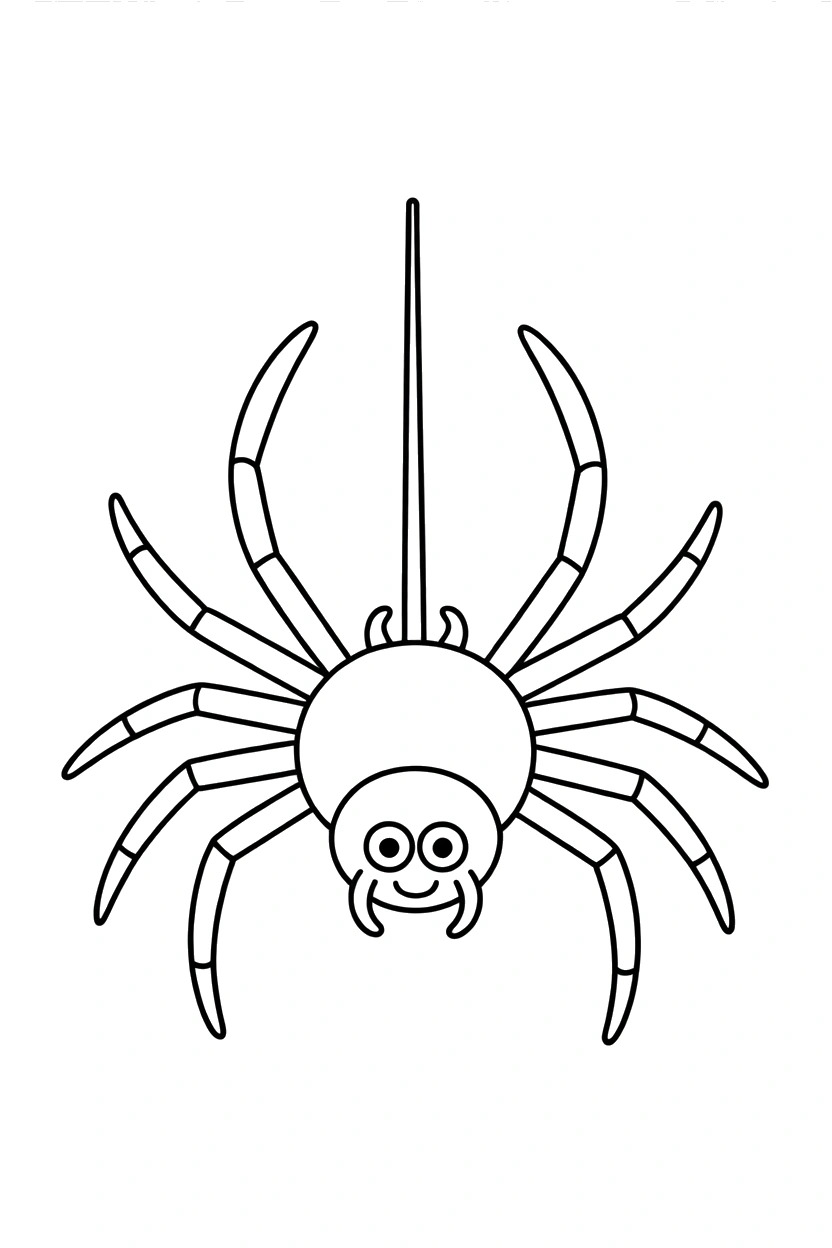
Thin legs stretch outward from a rounded body in these Spider Coloring Pages, with each leg bent at sharp joints and ending in a curved tip.
A web pattern spreads behind the figure — radiating lines crossed by curved strands forming pentagon shapes. The abdomen sits larger than the head. Two small fangs extend downward from the front.
A couple of these slide into a doctor’s office activity bin without needing any extra space. The pose is symmetrical. Open sections across the web and body give plenty of room for detail work.
Web Patterns and Crawling Poses to Work Through
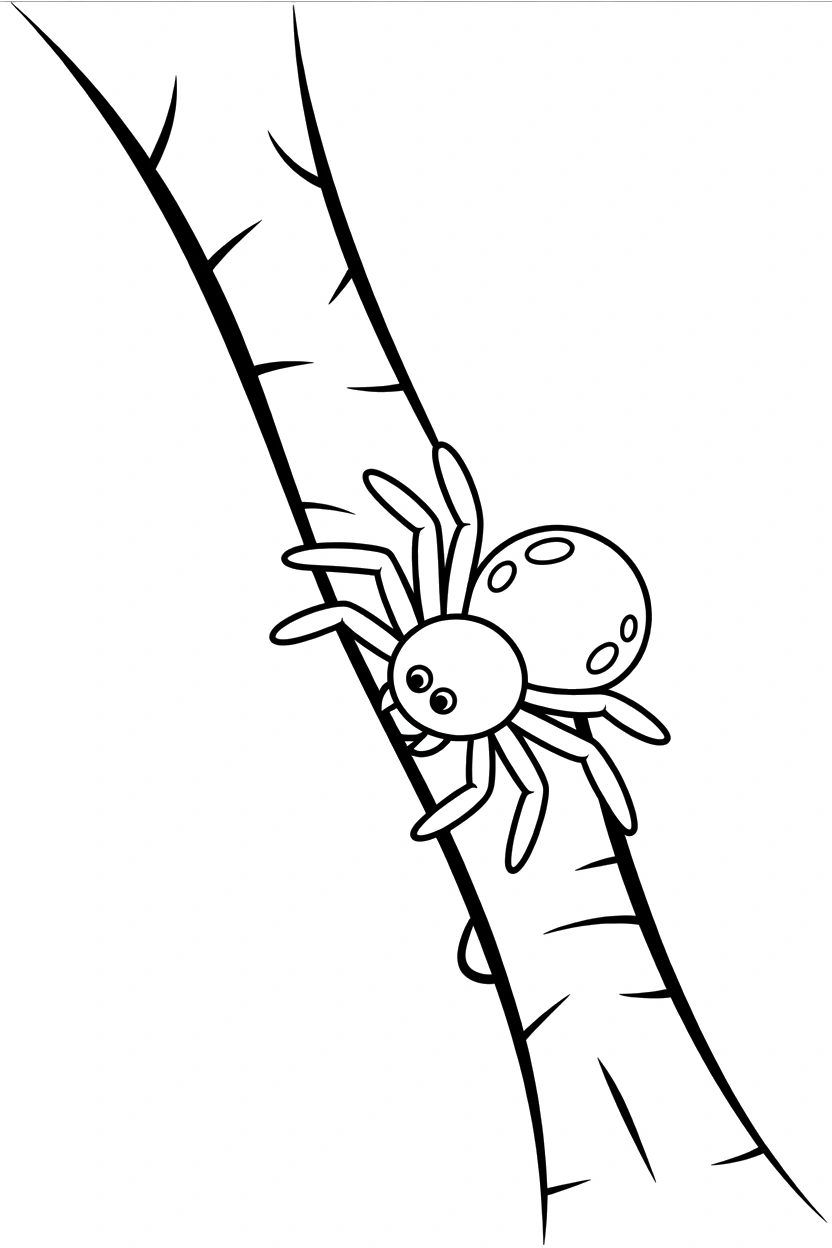
Spider Coloring Pages cover a solid range of positions and settings that keep each page feeling different. One hand-drawn outline shows a spider mid-crawl along a tree branch with legs gripping the bark texture.
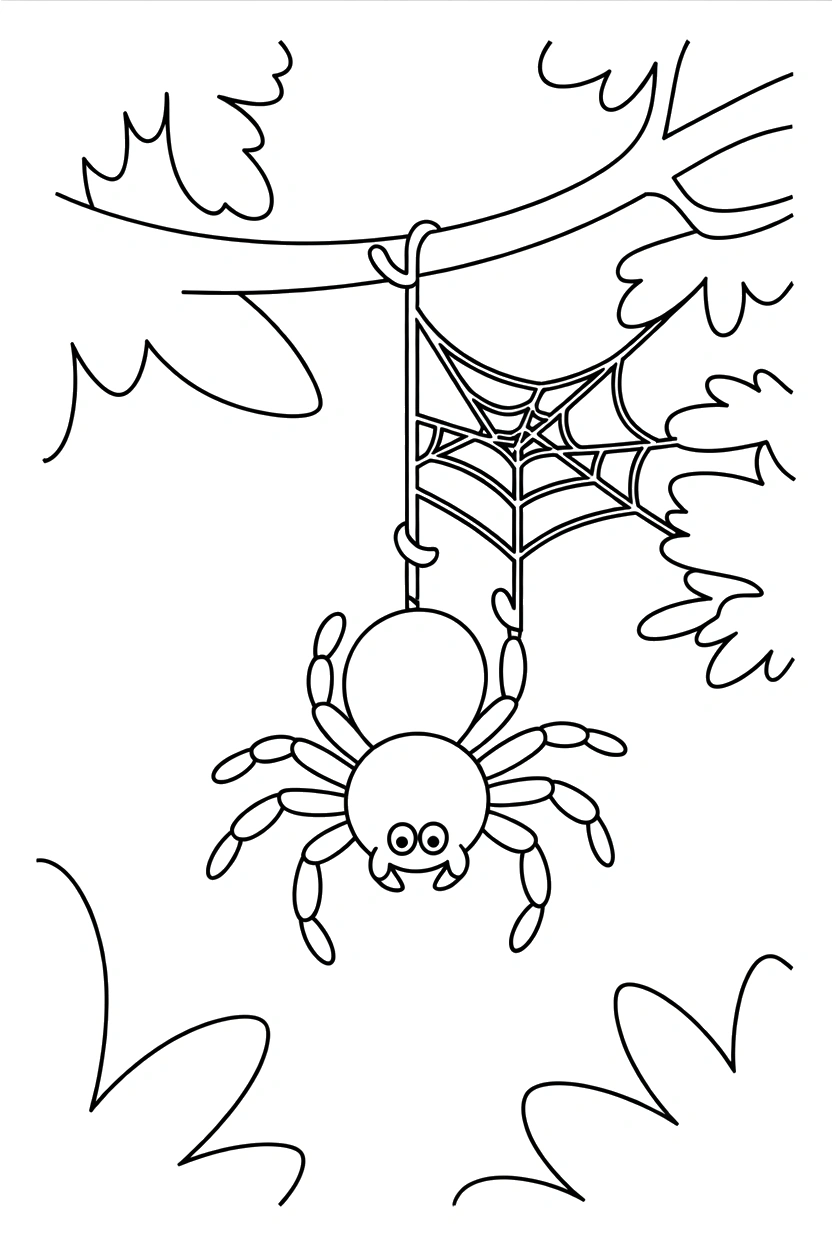
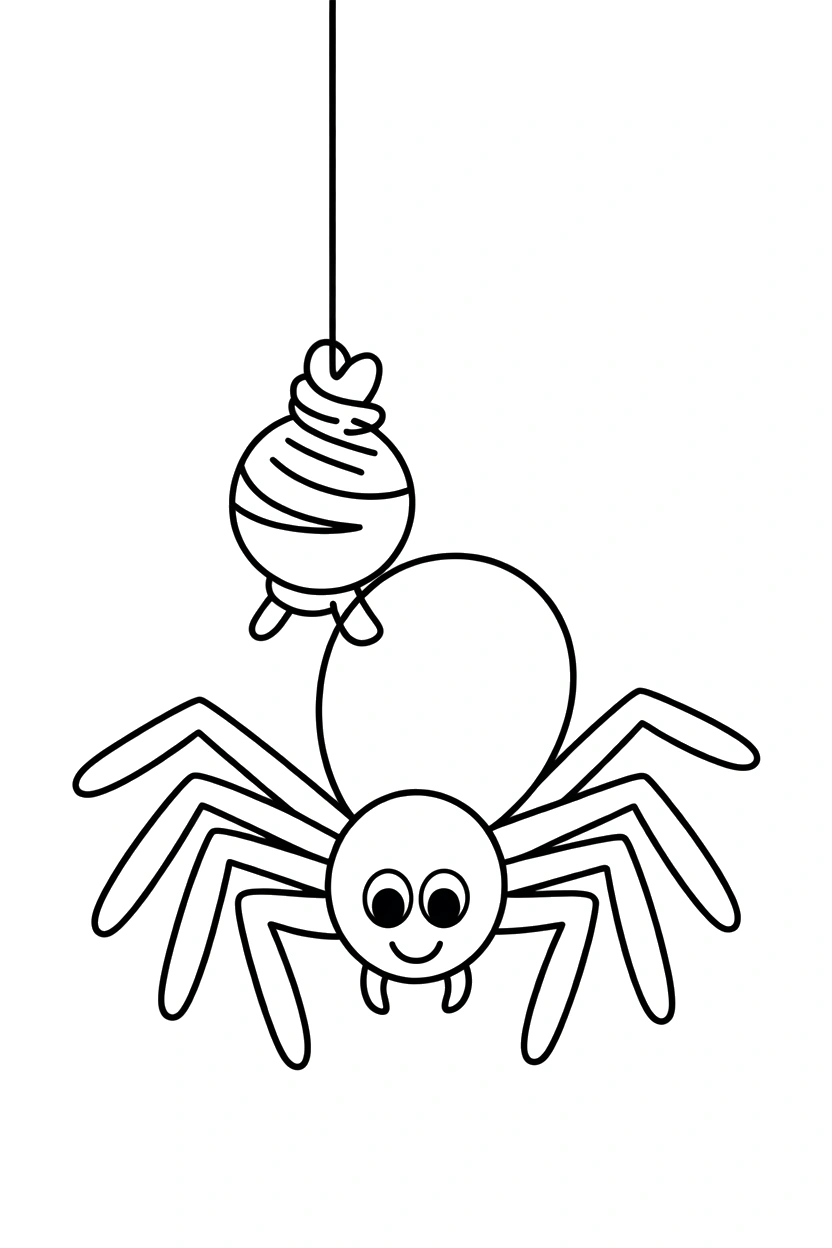
Another print-ready page captures the creature hanging from a single silk thread with legs curled inward. Shapes stay bold and easy to follow.
A spider resting against a wooden fence post with web strands anchored to the corner
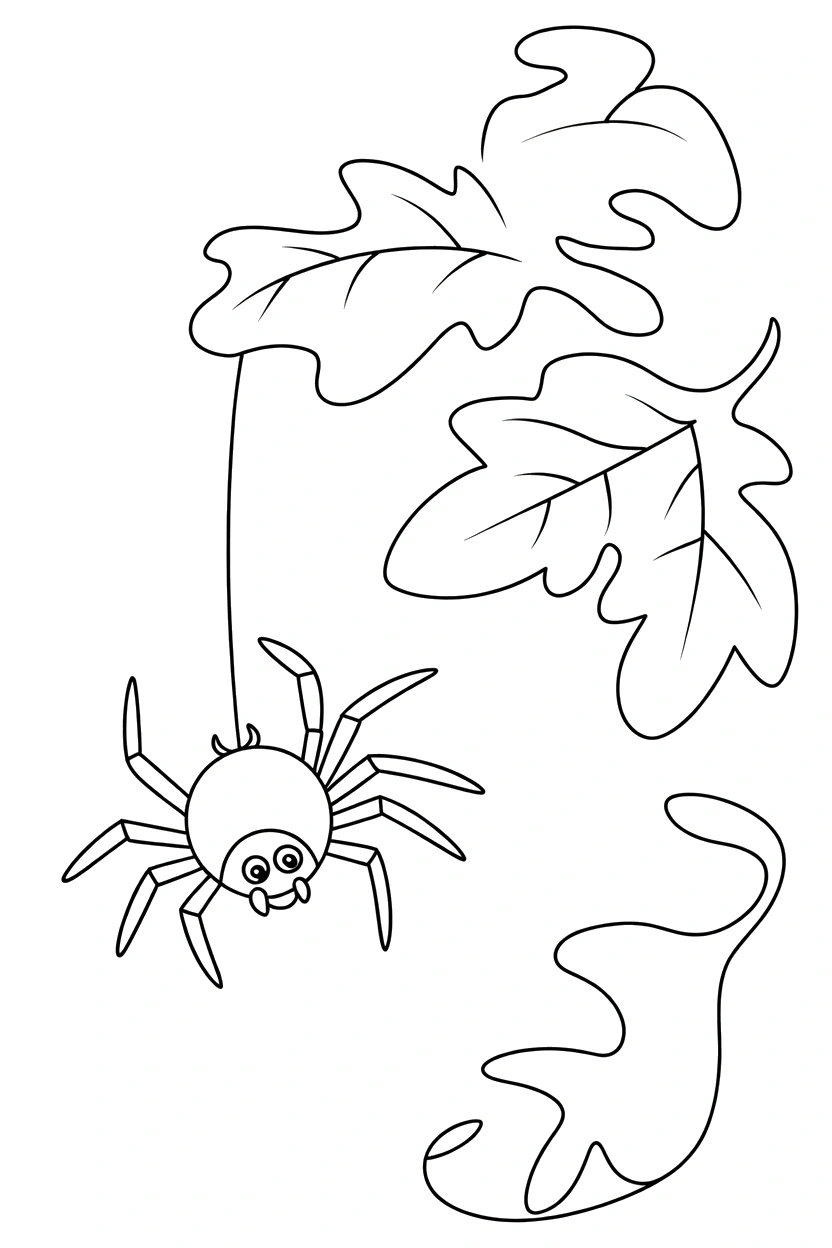
A spider reaching across a gap between two leaves with front legs stretched forward
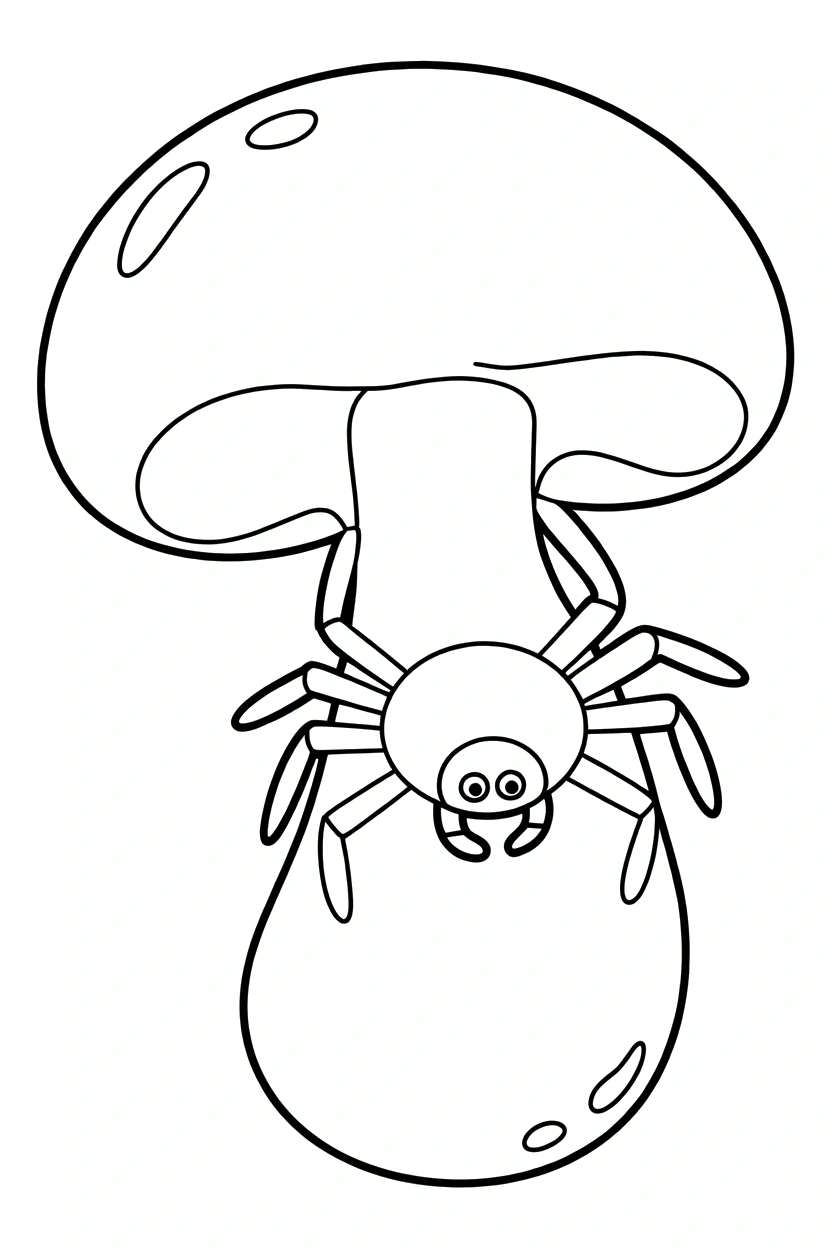
A spider climbing onto a mushroom cap with its legs arranged around the curved surface
A spider peeking from inside a hollow log with web threads connecting the entrance edges
A spider pulling a silk strand tight between a twig and a stone on the ground
Each ink-friendly design uses thick outlines around the legs, body segments, and web patterns. Nothing fragile. No cluttered backgrounds that overpower the main figure.
Spider Coloring Pages work well across different ages without needing separate sets. Younger kids grab the simpler layouts — a spider sitting centered on a basic web, legs evenly spaced.
Older kids reach for the scenes with more going on. Mid-crawl positions, multi-layer webs, prey-wrap poses.
The web pattern breaks into clear geometric sections. Radiating spokes crossed by curved connecting lines. That structure helps build focus and patience.
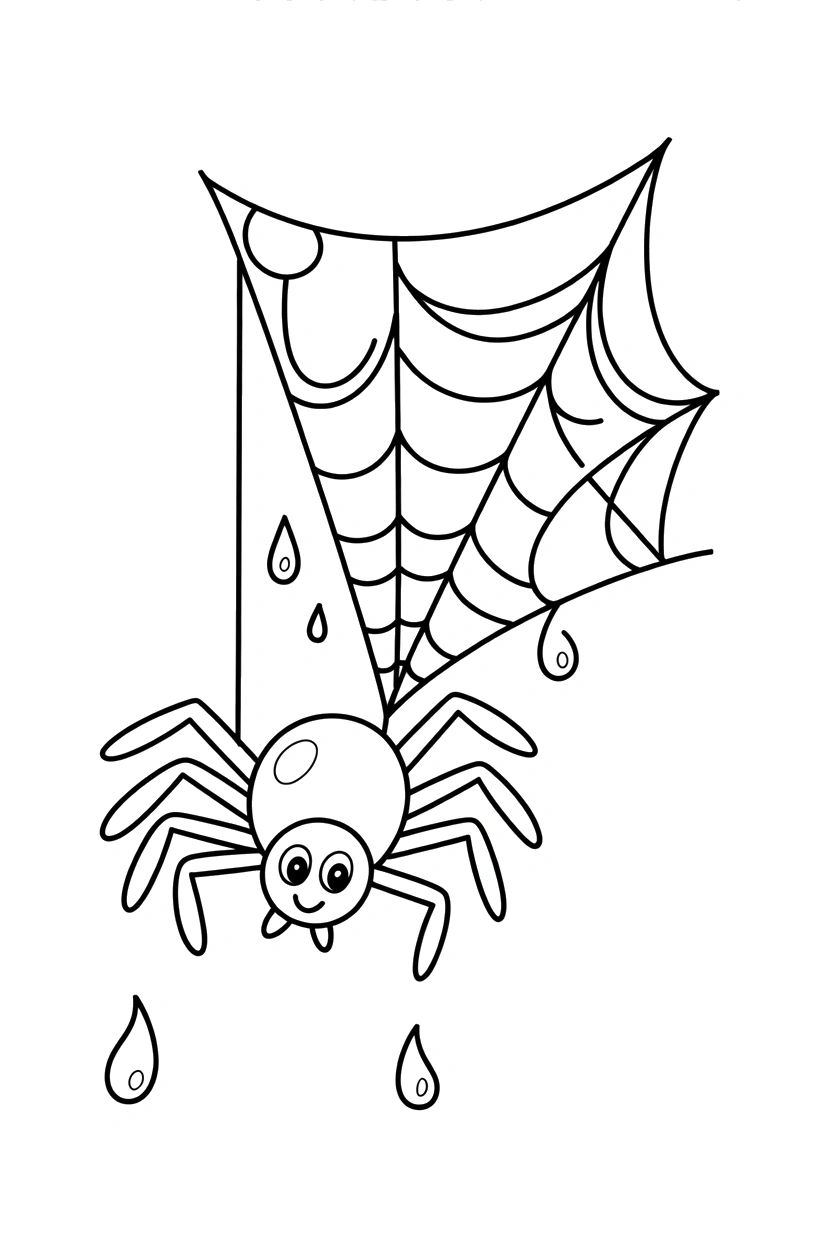
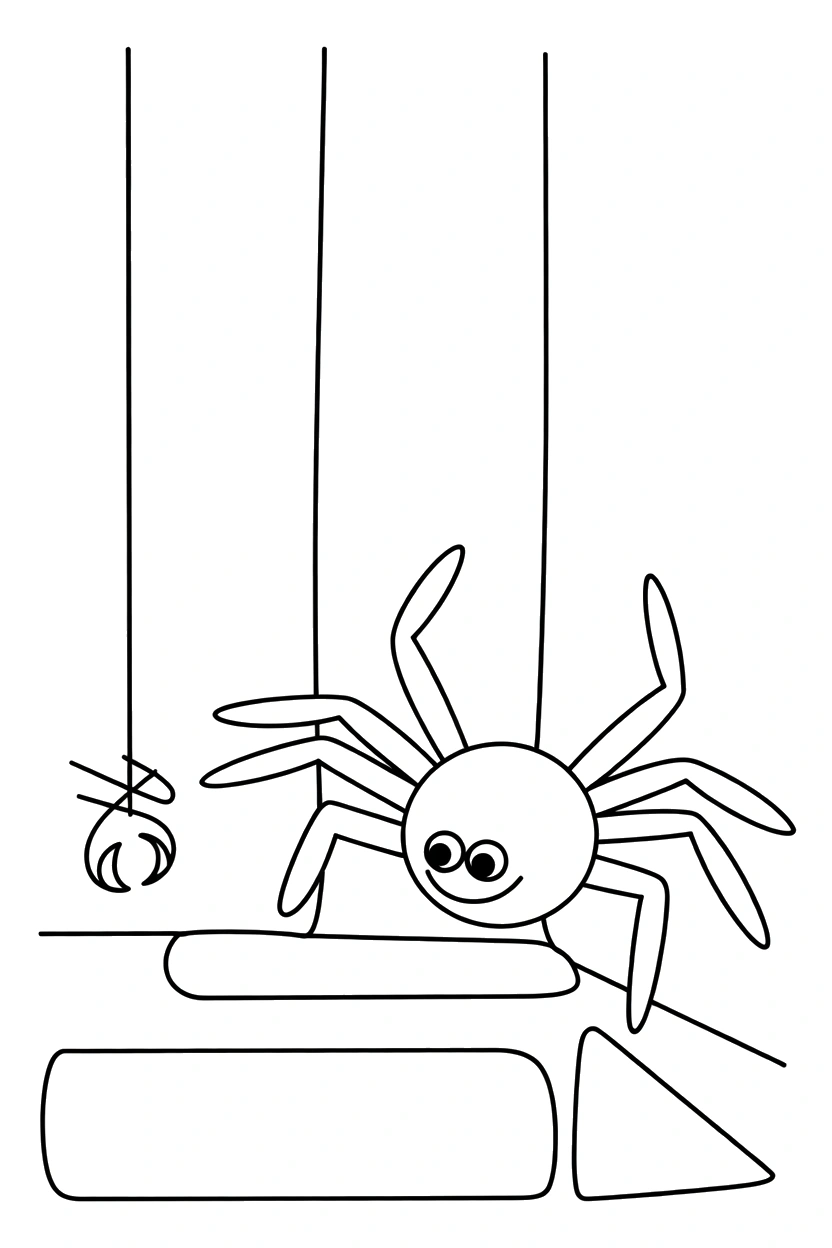
Some scenes place the spider high on a corner web strung between two tall posts. Others bring it down to ground level near fallen leaves with dew drops hanging from strand tips.
Setting variety shifts from indoor corners to outdoor foliage, keeping the set interesting without repeating the same backdrop twice.
Spiders make silk inside their bodies, and they can produce different types depending on whether they need it sticky or stretchy.
Use a pencil to trace each web strand separately before shading the spider body — it keeps the pattern from getting messy.
Spider Coloring Pages give enough web detail and pose variety to hold attention through multiple prints without things getting stale.
How to Print
Scroll down to see all available spider designs
Select the image you want to print
Click the orange “PRINT” button
Start coloring immediately
What settings do the spider outlines include?
Webs, branches, fence posts, leaves, and hollow logs across various crawling poses.
Can younger kids color these without difficulty?
Yes — several pages use large open shapes with simple web patterns.
Are the web patterns too detailed for markers?
Thick strand lines hold marker ink well without bleeding into nearby sections.