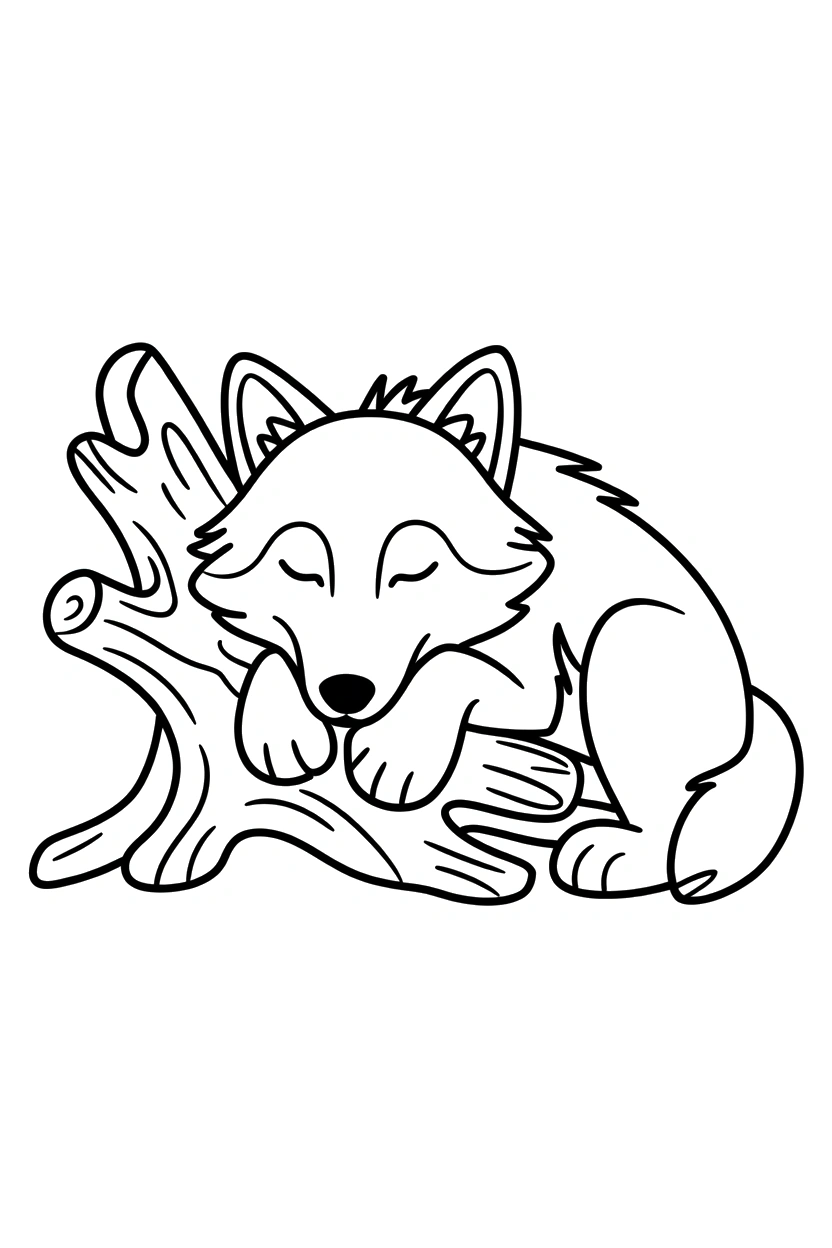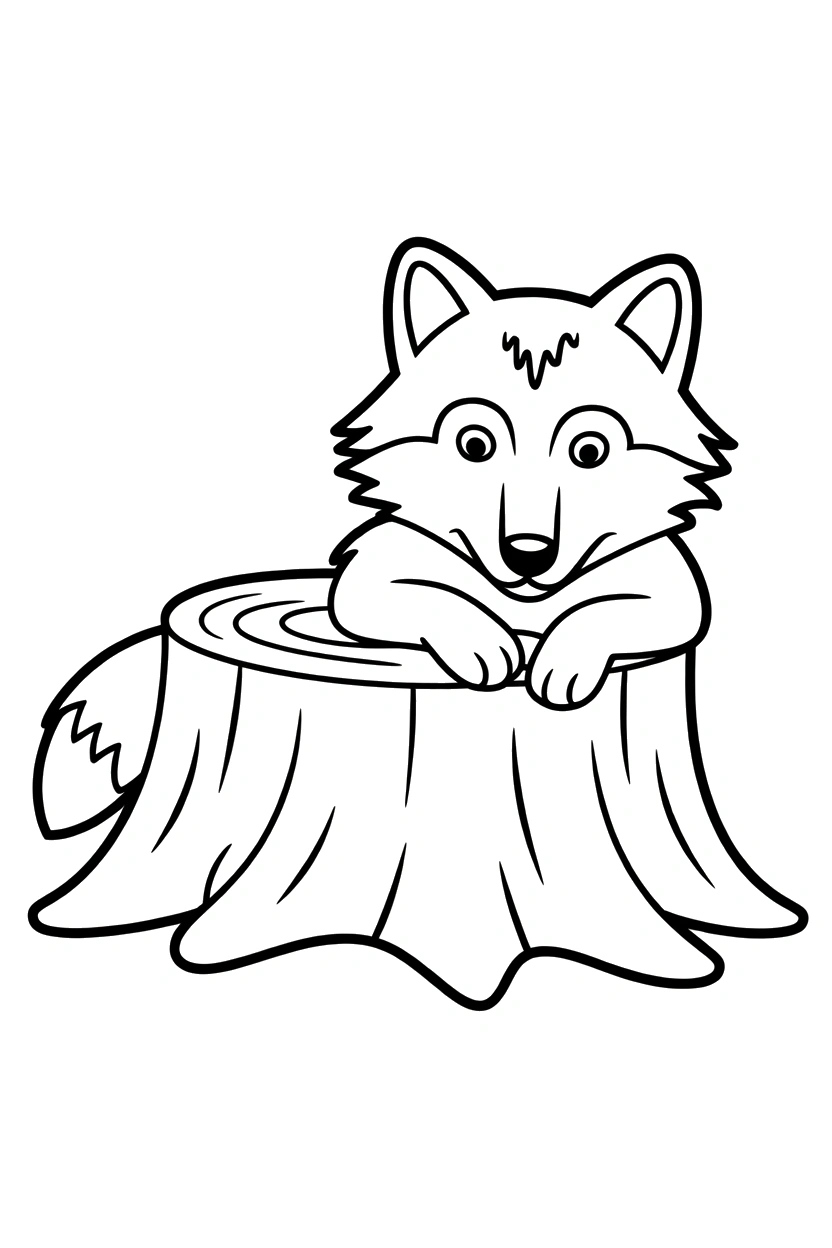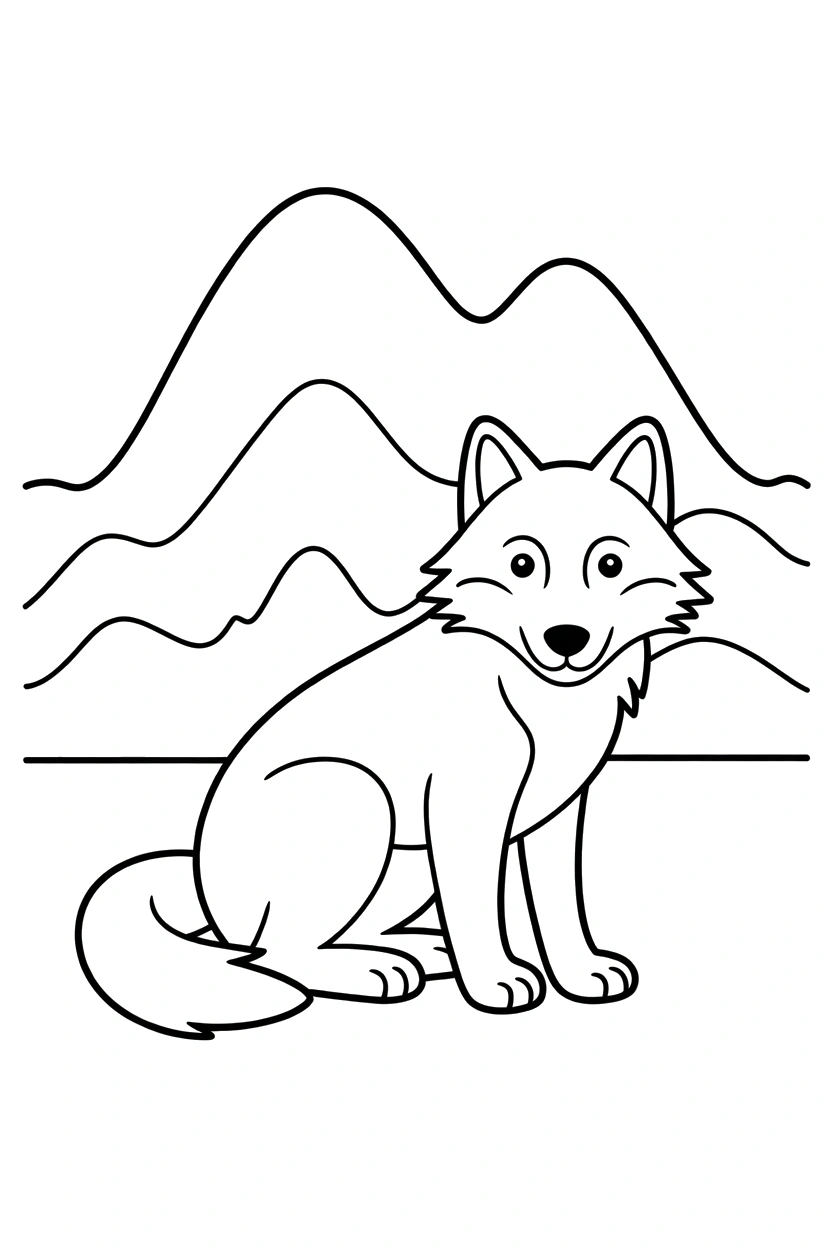
Outlined wolves lift their heads toward a blank sky in Wolf Coloring Pages. One or two fit between homework and dinner. Each black-and-white outline waits on plain paper—no shading, no fill, just edges ready for crayons or markers.
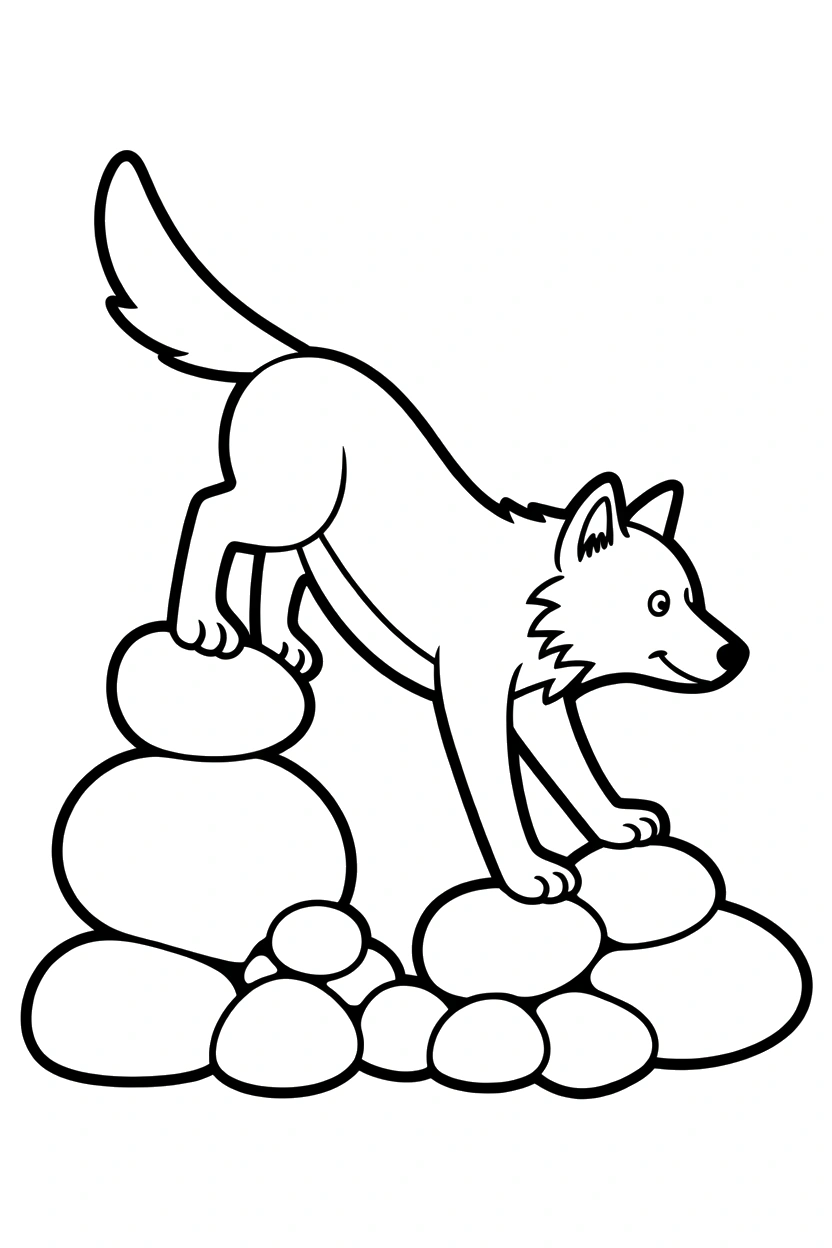
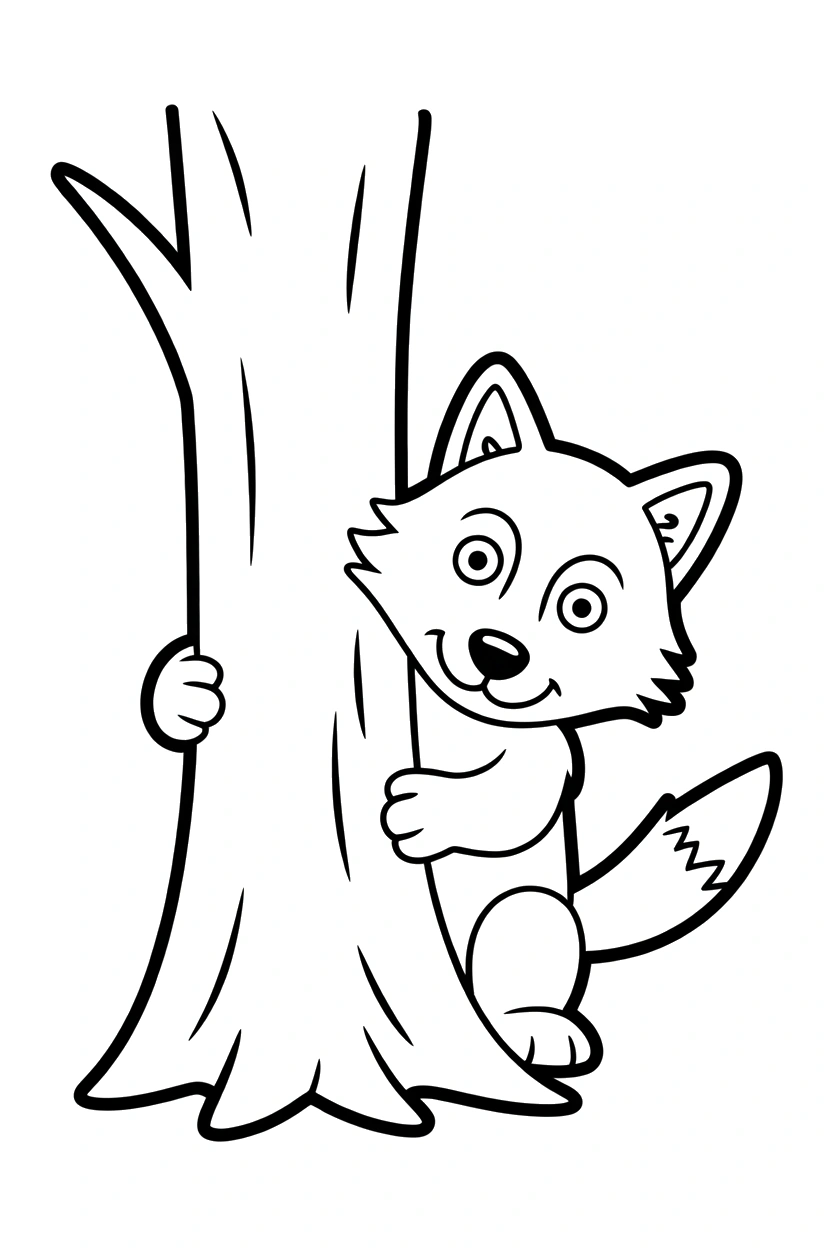
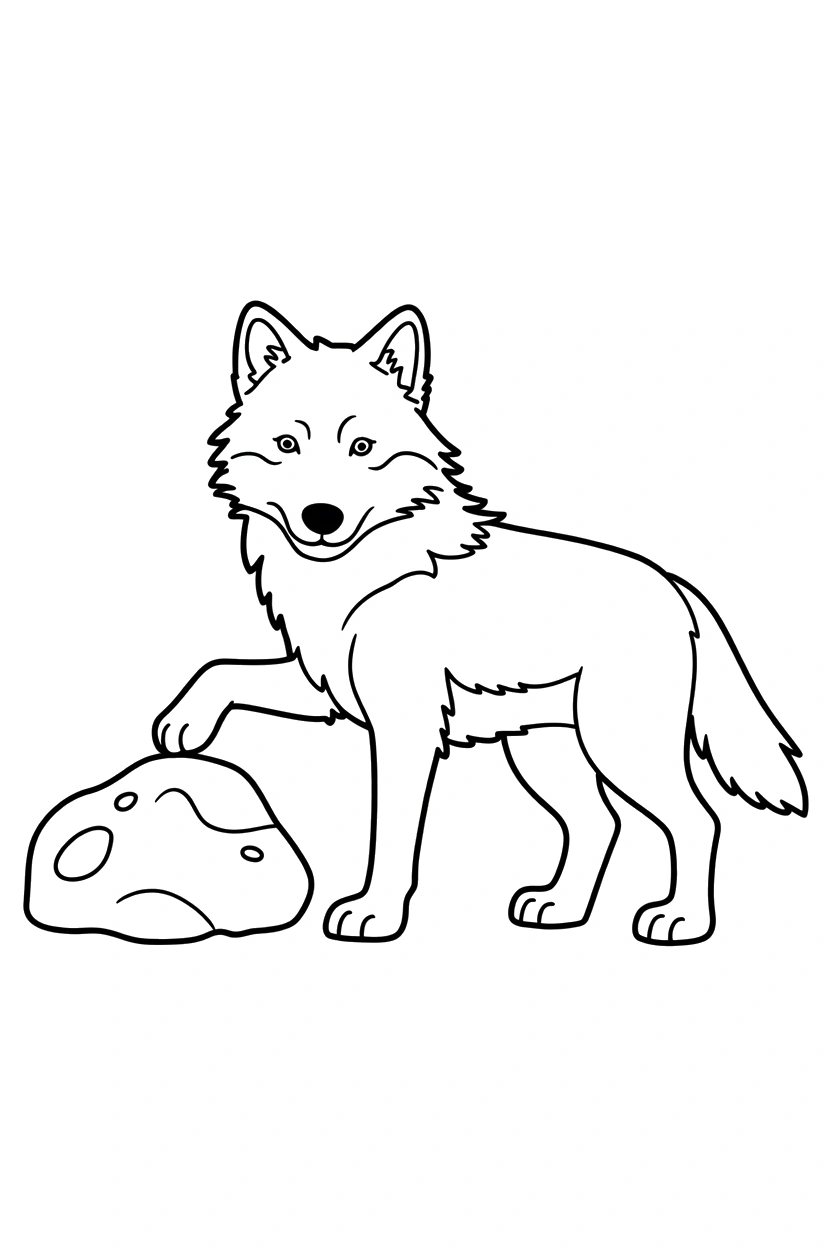
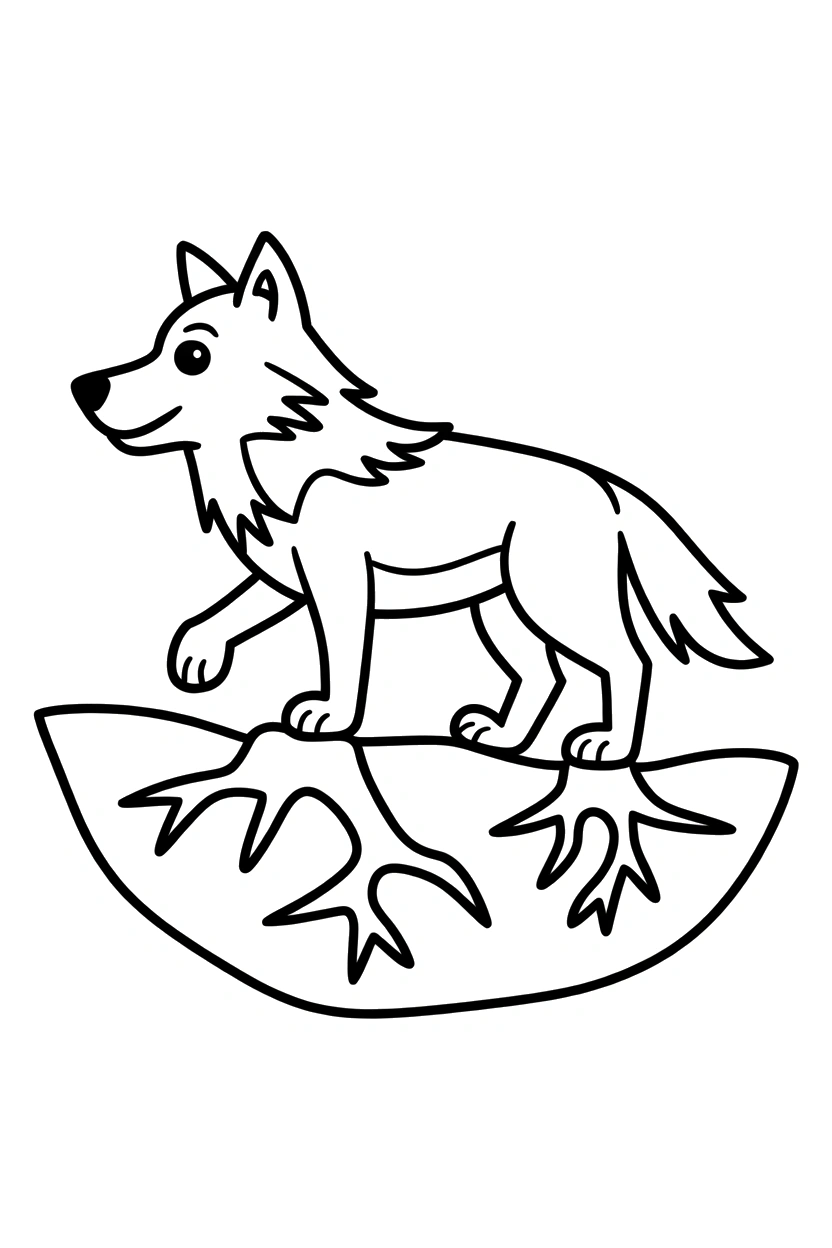
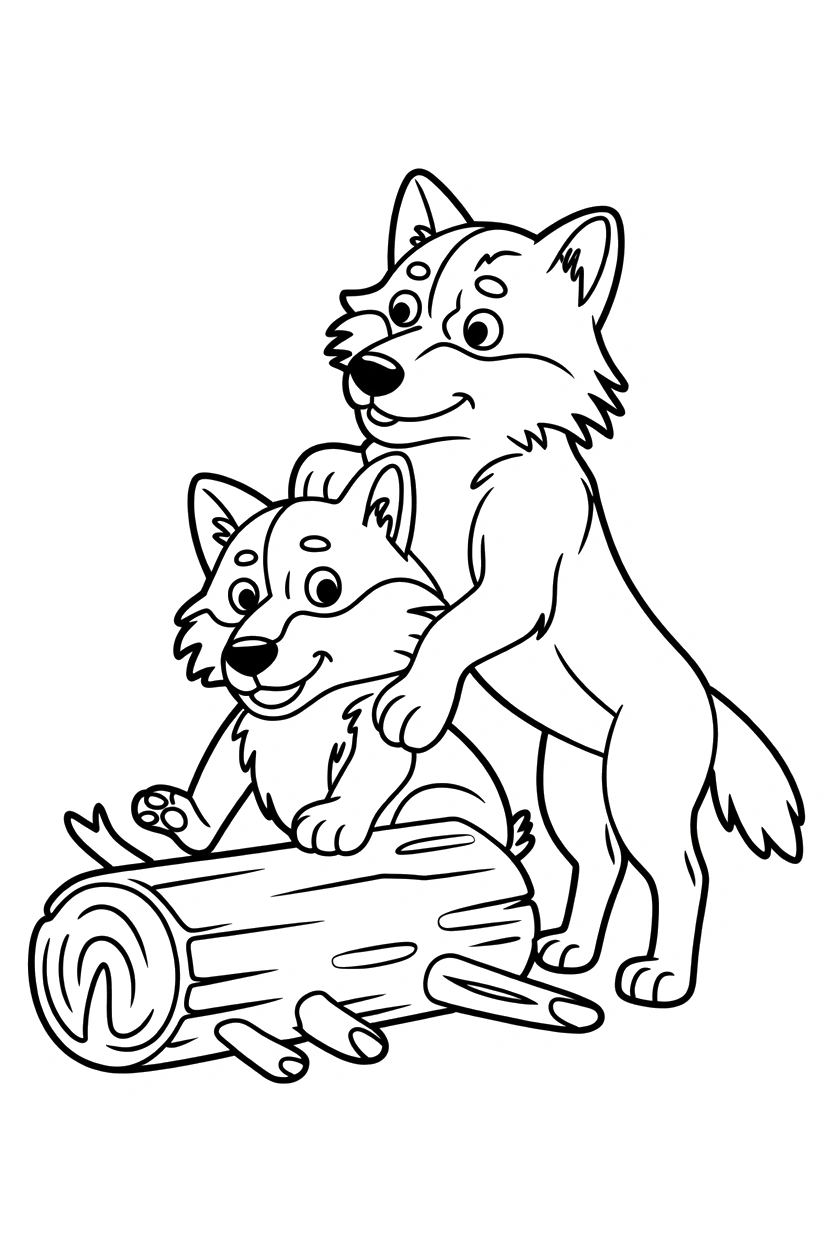
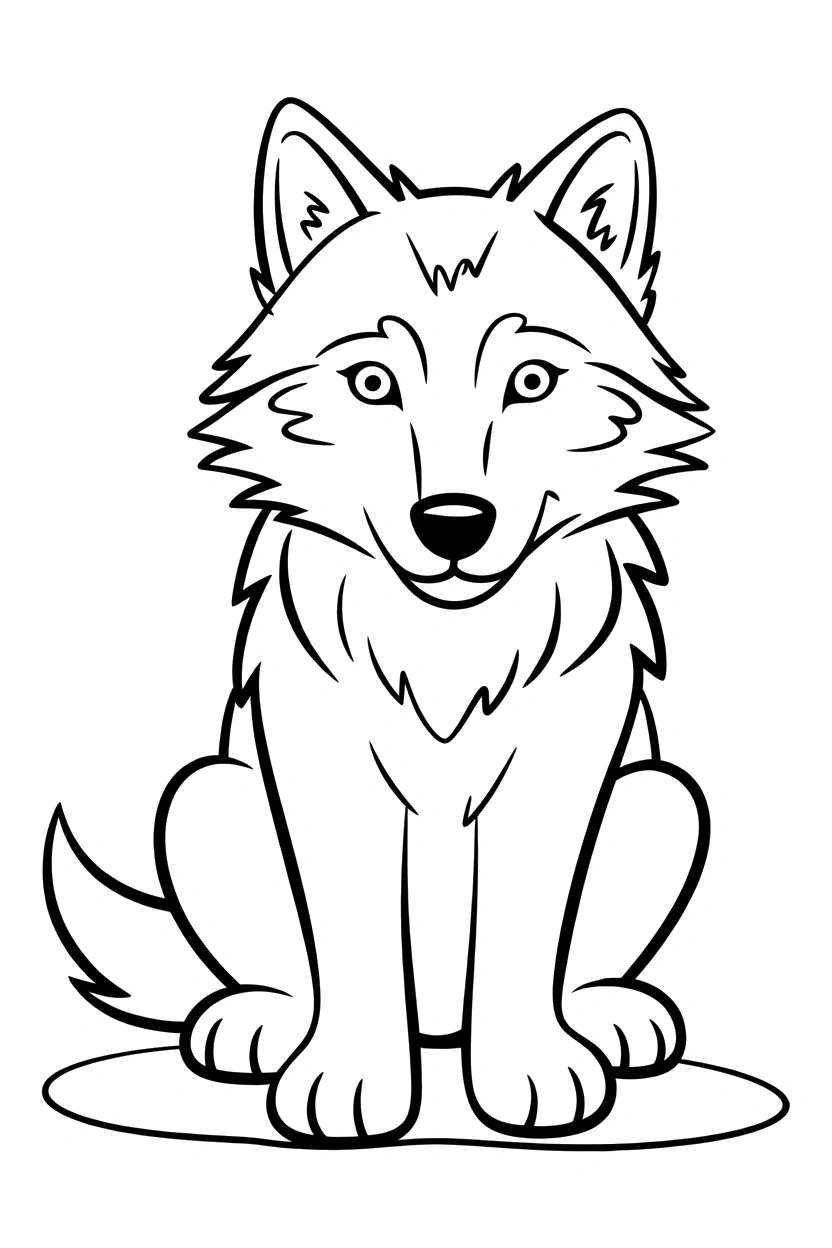
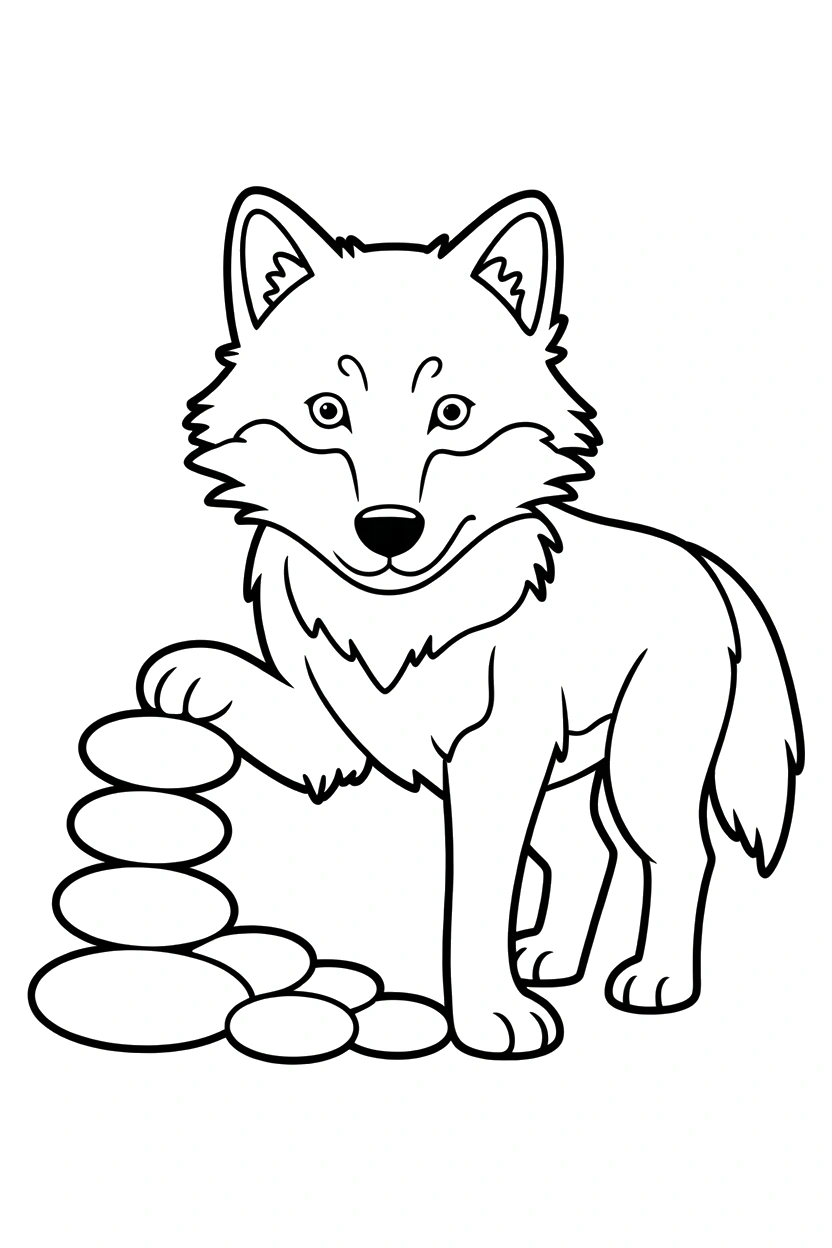
A simple line drawing shows fur patterns along the shoulders, ear shapes pointing up, and paws pressed flat against ground patches. Some wolves stand alone near rock clusters. Others gather in small groups under tree roots or beside hollow logs.
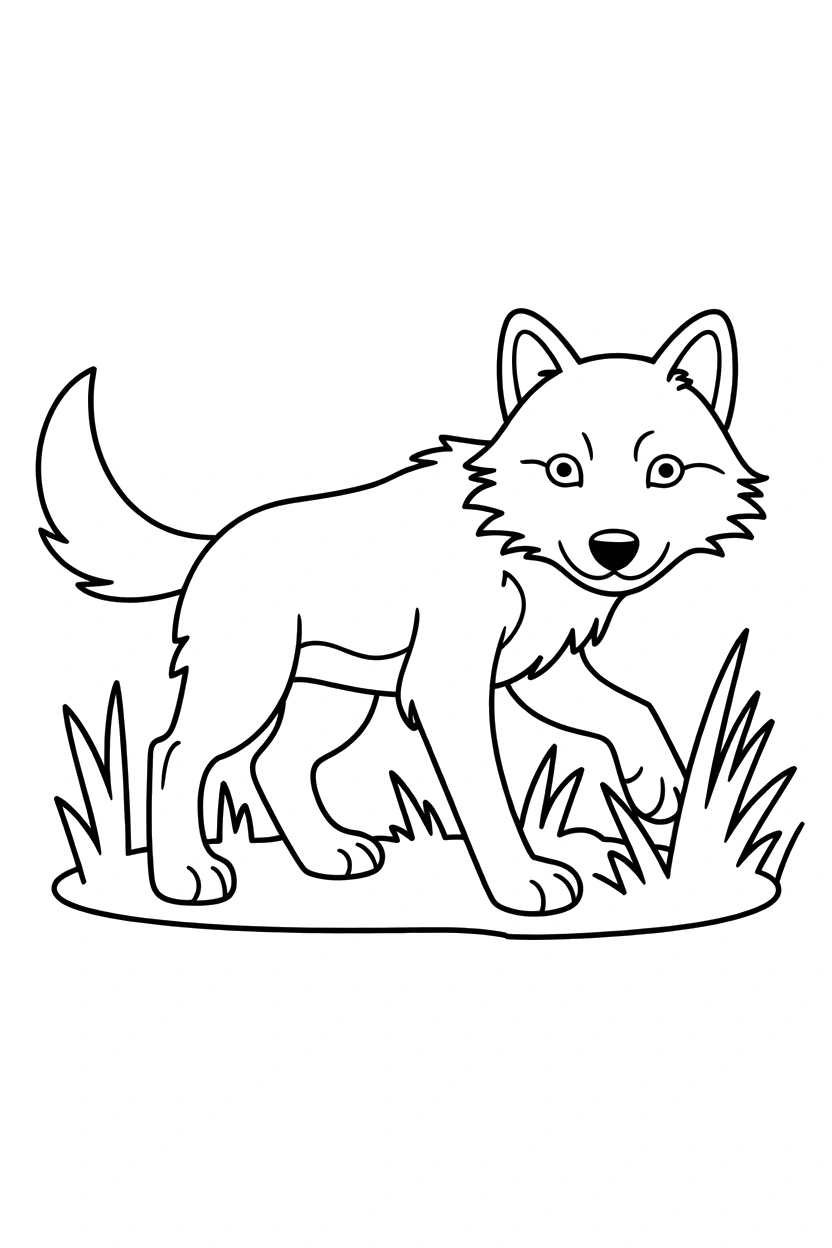
Older kids enjoy the detail work around the eyes and snout. (Wolves communicate through over 10 different facial expressions, mostly using their ears and mouths.)
Younger hands focus on the larger body sections first. The paper holds still under wrists. Strokes follow the natural direction of fur—short along the legs, longer down the back.
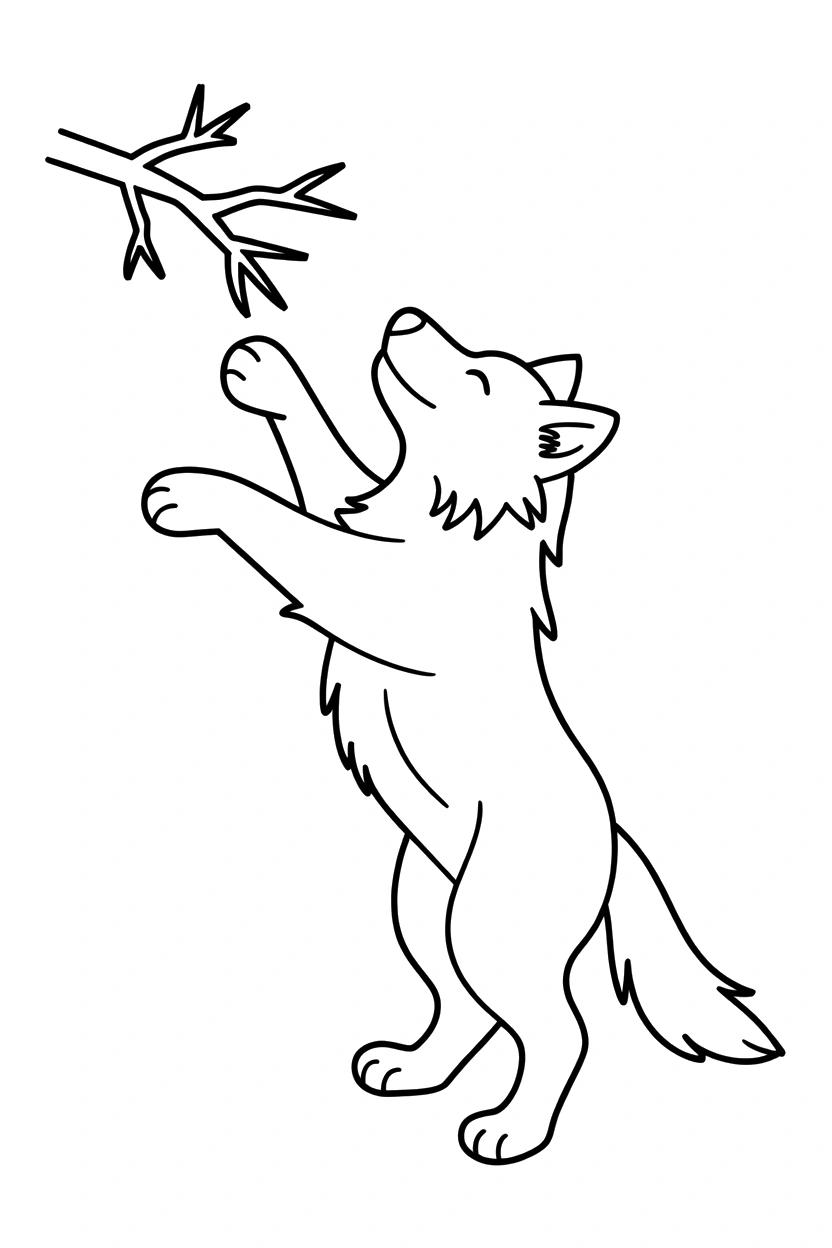
Each ready-to-print sheet arrives with clean borders and enough white space around the figure to avoid crowding.
What’s on the Page
- Wolf profiles with heads turned sideways
- Full-body standing poses with all four legs visible
- Seated wolves with tails curled around their bodies
- Pairs of wolves facing each other
- Single wolves mid-stride across flat ground
- Wolves resting against boulders or fallen branches
- Paw prints scattered near the bottom corners
- Tree trunks and bare ground lines framing the scene
Do the drawings show packs or single animals?
Both. Some pages feature one wolf, others show two or three together.
Are the ears and tails outlined separately?
Yes, ears and tails have their own distinct outline sections for coloring.
Which pages work best for beginners?
Seated wolves with simpler background elements suit younger or newer hands.
Coloring helps with hand-eye coordination.
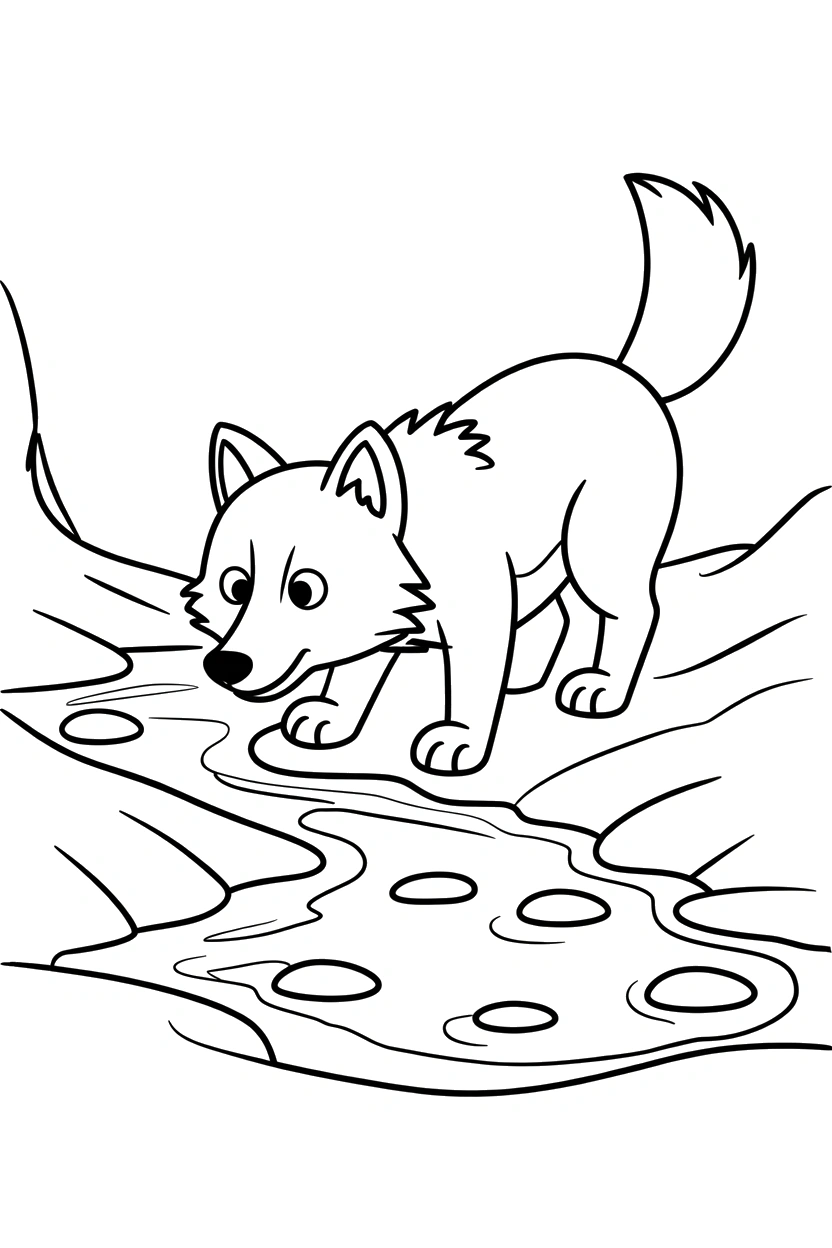
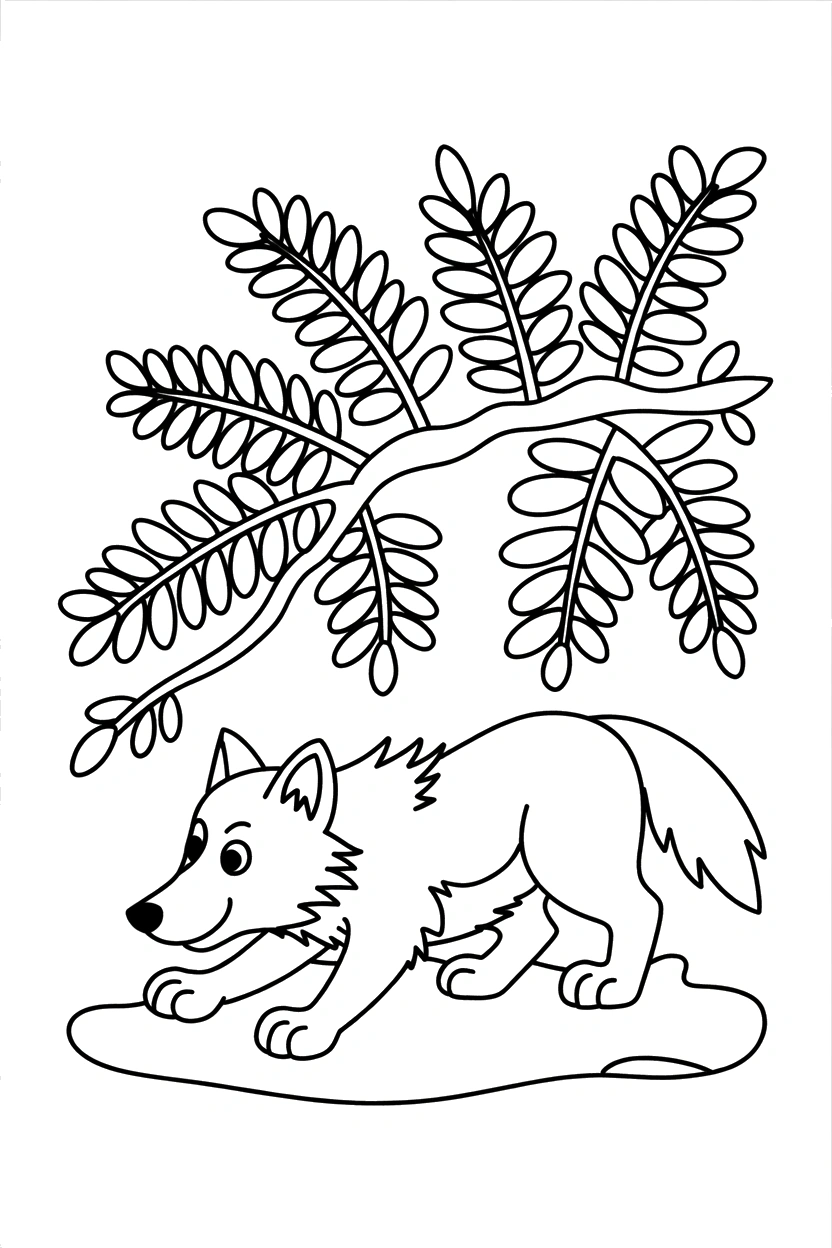
The poses range from alert to calm. One wolf might be leaning forward with front legs stretched. Another rests with its body pressed low.
A few of these slip into a travel bag easily. Wolf Coloring Pages include enough variety that the same child can pick a different sheet each session without repeating a scene.
Outlines stay thick enough to handle wobbles but thin enough to leave room for personal choices inside the lines. Most pages print well on standard copy paper, though slightly heavier stock reduces bleed-through when using markers.
Focus on one section at a time. Start with the head, then move to the body, and finish with the background. Let each area dry if switching tools.
Try layering two shades in the same space—one light base layer, one darker layer for depth along the edges. Use the side of a crayon to cover large sections like the body quickly, then switch to the tip for smaller details like claws or whiskers.
How to Print
Scroll down through the image list below. Pick the wolf scene that looks right. Click the orange “PRINT” button under your chosen page.
Your browser opens the print dialog—select your printer, confirm the page size, and press print. Once the sheet comes out, grab your coloring tools and start.